In short: To start a cycling clothing brand, decide exactly which rider you are dressing, launch a small first range on existing cuts, brief a manufacturer with what you have, test a physical sample on the bike, and keep one approved version of every style so reorders match. Sportswear of Tomorrow makes private-label sublimated cycling clothing for brands, made in Europe, with our own factory in Aiud, Romania, from 1 piece on existing cuts and 2.5–4 weeks from artwork approval.
Most cycling clothing brands start with a clear picture of the jersey they want to see on the road. The harder part is everything between that picture and a product you can sell and restock: which pieces to launch with, how many to make, what to agree with your manufacturer, and how to make the second batch look like the first. This guide is for founders and product managers starting a cycling apparel brand, or adding cycling to an existing label.
Who is your cycling clothing brand for?
Your brand is for one specific rider first, defined by discipline, riding style and the way they buy kit, not for “cyclists” in general.
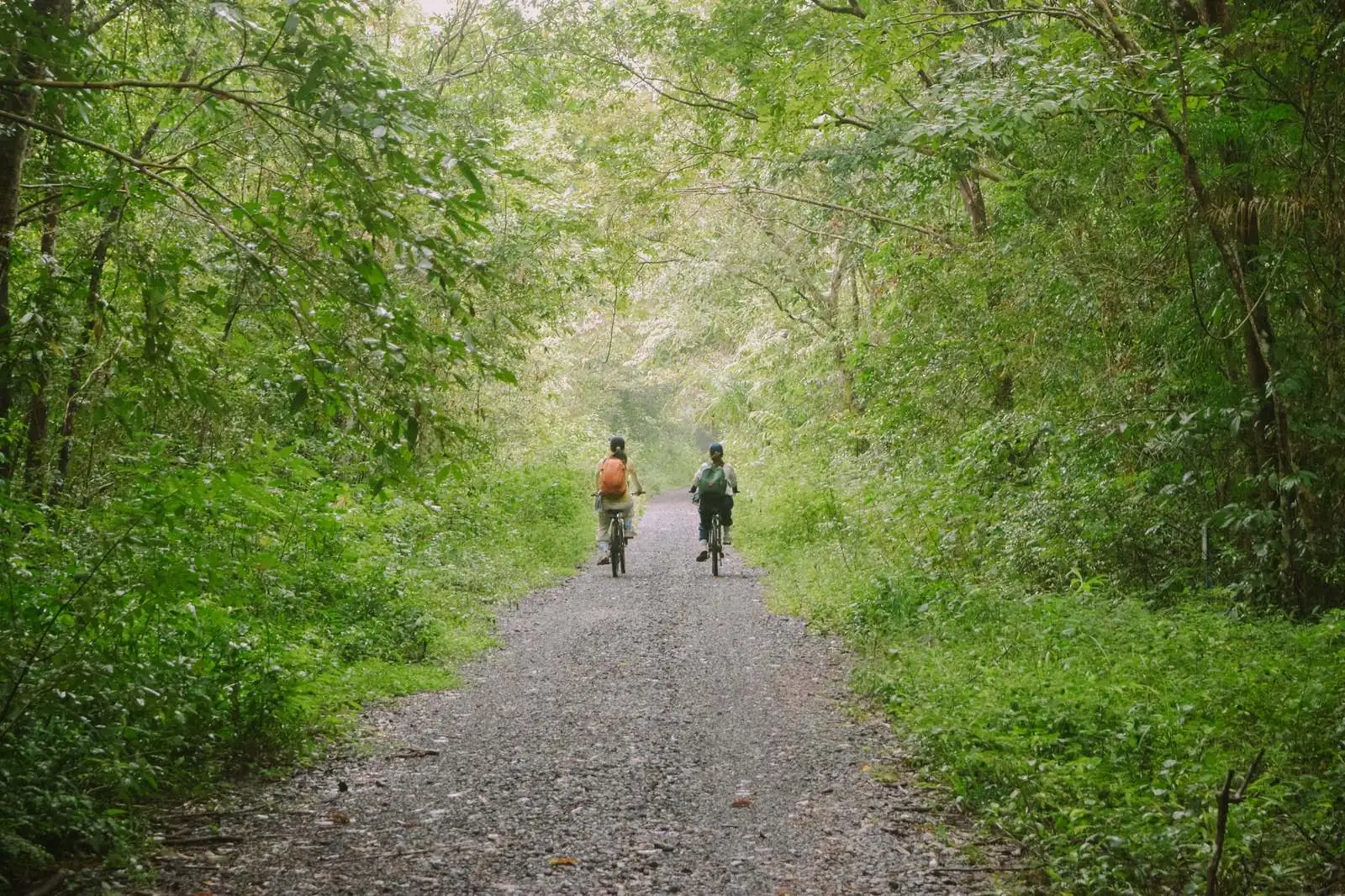
Road, gravel, endurance, racing and commuting riders want different things from their clothing, and a range that tries to serve all of them at once rarely convinces any of them. Write down who your first customer is: where they ride, how long their rides are and what they feel is missing from the kit they own. That one page becomes the reference for every later decision, from the fit to the size spread you order.
Be just as clear about what makes your brand different: the design language, a fit for a particular discipline, or a community you already belong to.
What should your first cycling range include?
Your first range should be small: a jersey and bib shorts in one or two strong designs, with any extra pieces added only when you know what sells.
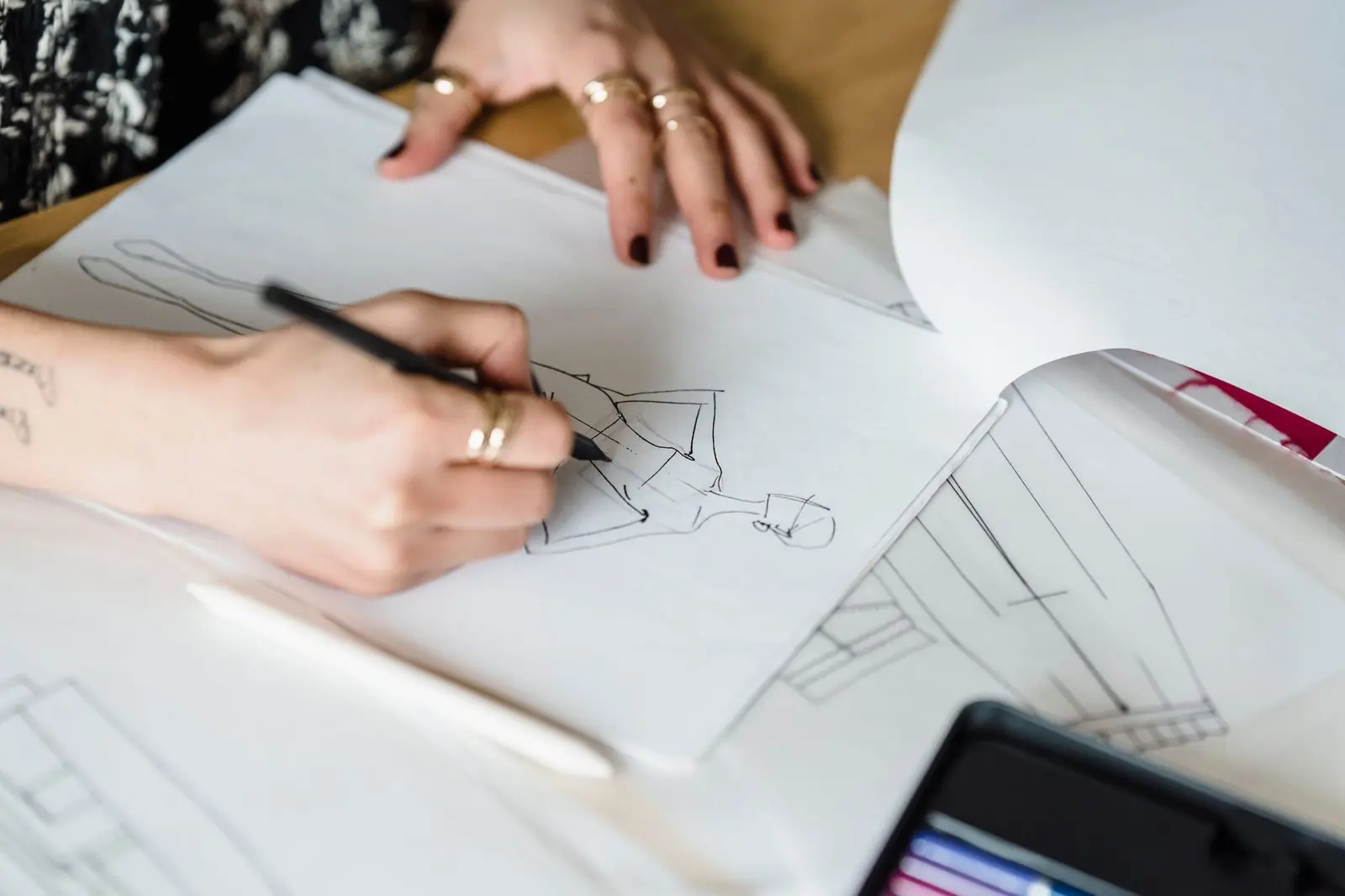
Riders usually buy a jersey and bib shorts together, so plan them as a pair from the start, with matching colours and logo positions. A long-sleeve jersey for spring and autumn is a natural second step. Two or three well-designed colourways usually do more for a new brand than a wide range of average ones, and they keep your first investment and your stock risk under control.
Make the full cycling range with one manufacturer if you can. When jerseys, bib shorts and later pieces come from the same factory and the same colour process, your colours stay consistent across the range. We make the full cycling range, so the rest of your line can follow the first pieces without changing suppliers.
Should you launch on existing cuts or develop your own pattern?
Launch on existing cuts if speed and a small first order matter most; develop your own pattern when the fit itself is what sets your brand apart.
On an existing cut, the pattern and grading are already in place. You choose the cut, add your artwork, colours and logo positions, and order the sizes you need. At Sportswear of Tomorrow, existing cuts start from 1 piece, which makes pre-orders, launch shoots and test drops practical.
Developing your own style means your own pattern, measurements and size set, for example a race fit with a longer back or a cut for a particular discipline. It takes longer, because pattern development and sampling come first, and the timeline is given with your quote. Our develop your own sportswear page explains the process and its terms. Many brands launch on existing cuts and move to their own pattern once they know which styles their riders buy again.
How do you brief a manufacturer if you don’t have a tech pack?
Send what you have, such as a reference garment, sketches, logo files and rough quantities, and a good manufacturer will tell you what is missing.
You don’t need a finished tech pack to start a conversation. If you don’t have one yet, send what you have and we’ll tell you what’s missing. A useful first brief covers the rider, the fit you are aiming for, the pieces in your first range, your artwork or design direction, rough quantities per size and the date you want stock in hand.
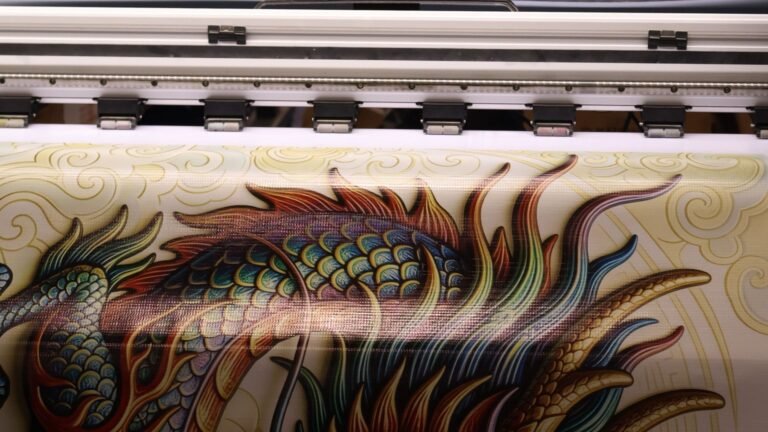
Ask for the panel templates of the cut before your designer starts. With sublimation, the design is printed into the fabric before the panels are cut and sewn, so artwork can run edge to edge, but a fine line that sits exactly on a seam can shift when the panels are joined. Our designers check artwork on our templates and flag lines that sit exactly on a seam. Read how to prepare your artwork before you send files.
Give a Pantone or colour reference for every colour in your design. Slight colour differences can occur because sublimation ink absorbs into the fabric, and the same colour looks different on a screen, on a paper print and on fabric, so the approved physical sample is the reference for bulk. Our guide to colour books versus colour matching explains how to approach this.
How many pieces should your first drop be?
Make your first drop as small as your launch plan allows, with a size spread based on your own audience rather than a standard ratio.
A new brand rarely knows its size curve on day one. Pre-orders, a waiting list or a first batch for your community can tell you which sizes and colourways move before you commit to larger quantities. Because existing cuts start from 1 piece with us, you can keep the first order close to real demand and restock what sells. Volume discounts apply to larger orders, so you can grow quantities as your sales history builds.
Record what sells by size and colour from the first week. That record is what your second order should be built on.
How do you test a cycling sample before you launch?
Ride in the sample over real distances, wash it several times and check it against your brief before you approve bulk.
A jersey that looks right on a hanger can still ride badly. Check that the back stays down in the riding position, the sleeves and leg grippers sit where they should, the pockets are easy to reach and the colours match your references in daylight. Ask riders in several sizes to test it, not only the founder, and write your comments down with photos and measurements. Our guide to private label cycling jerseys covers sample testing step by step.
At Sportswear of Tomorrow, 50% of a paid sample’s cost is credited against your bulk order of at least €2,000 ex VAT (shipping excluded).
What can you say about your fabric on your product pages?
Say exactly what the fabric is, garment by garment, and back every claim with a certification or specification you can show.
Riders read product pages closely, and the EU rules on environmental claims to consumers (Directive (EU) 2024/825) restrict broad, unproven promises. A specific, documented statement is both more convincing and safer than a general one. At Sportswear of Tomorrow, our cycling jerseys and shorts are made from 100% recycled polyester or recycled polyester/elastane blends, depending on the style. All our fabrics are OEKO-TEX-certified, and GRS-certified for their recycled polyester.
Ask your manufacturer for the composition of every fabric on each garment, not only the main body, and keep it in your spec sheet. You will need it for care labels, product pages and any recycled-content statement. Our guide to fabric weight and what GSM really tells you explains what else to compare.
Who owns the pattern and the designs?
Agree in writing, before development starts, who owns any pattern the manufacturer develops and what happens to your designs after production.
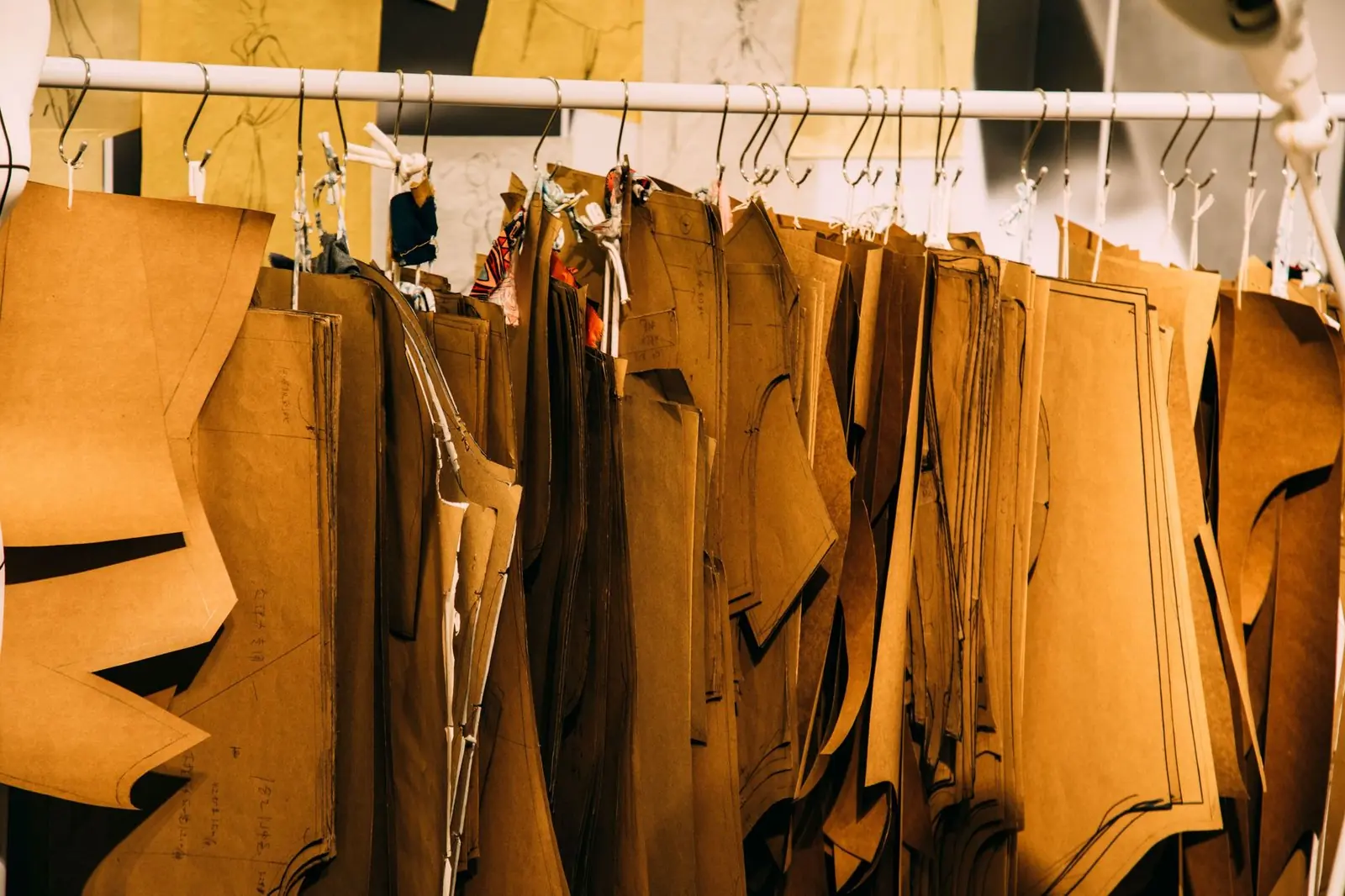
At Sportswear of Tomorrow, we own the patterns we develop and keep them on file so your reorders match. If you want to own the pattern of a developed style, you can buy the pattern from us, and part of what you have already paid goes towards that purchase. Your prints are yours: we never reuse a customer’s prints for anyone else. Our private label sportswear service puts only your brand on the product.
When should you order to launch on time?
Work back from your launch date: production takes 2.5–4 weeks from artwork approval, plus shipping, and sampling a new style comes before that.
That lead time applies to all orders on existing cuts, including bulk. New styles that need pattern development and sampling take longer, and the timeline is given with your quote. Build your plan backwards: launch date, shipping, production, artwork approval, sample approval, then the first brief. Leave room for one round of sample changes, and plan your shoot so it uses approved pieces rather than early samples.
How do you keep every reorder consistent?
Lock the approved sample as your reference, treat every change as a new version, and work with a manufacturer that keeps your pattern and colour profile on file.
We keep stored colour profiles and patterns so reorders match. Keep a simple record for each style: the approved sample, colour references, size chart, artwork files and the date of every change. When you add a colourway or adjust the fit, approve it again before it goes into bulk.
How Sportswear of Tomorrow works with cycling brands
- Custom sublimated sportswear, made in Europe, with our own factory in Aiud, Romania, since 2002
- 1,000+ brands and teams since 2002
- B2B only: we make for brands and businesses, never for consumers directly
- From 1 piece on existing cuts; developed styles quoted per style
- 2.5–4 weeks from artwork approval
- We own the patterns we develop and never reuse a customer’s prints
Our process is sublimation printing, pressing, cutting and sewing, and your cycling clothing carries only your brand.
Get a quote
Tell us who your rider is, which pieces you want in your first range and when you want to launch, and send what you have: a sketch, a reference jersey or your logo files. We’ll tell you what’s missing and come back with the options and a quote. Get a quote
Frequently asked questions
How do I start a cycling clothing brand?
Define one specific rider, launch a small range of a jersey and bib shorts on existing cuts, brief a manufacturer with what you have, test a physical sample on the bike, and keep the approved version of every style on file so reorders match.
Can I start a cycling brand with a small first order?
Yes. At Sportswear of Tomorrow, existing cuts start from 1 piece, so you can launch with a small first drop or pre-orders. Styles developed to your own pattern take longer, because development and sampling come first; the timeline is confirmed in your quote.
Do I need a tech pack to work with a cycling clothing manufacturer?
No. Send what you have, such as a reference garment, sketches, logo files and rough quantities, and we’ll tell you what’s missing.
What fabric are your cycling jerseys and shorts made from?
Our cycling jerseys and shorts are made from 100% recycled polyester or recycled polyester/elastane blends, depending on the style. All our fabrics are OEKO-TEX-certified, and GRS-certified for their recycled polyester.
Will my cycling kit match my Pantone colours?
We work from your Pantone references, but slight colour differences can occur because sublimation ink absorbs into the fabric, and the same colour looks different on a screen, on paper and on fabric. Approve colour on a physical sample in daylight; that sample is the reference for bulk and reorders.
How long does it take to produce cycling clothing?
Production takes 2.5–4 weeks from artwork approval, plus shipping, on all orders, including bulk. New styles that need pattern development and sampling take longer, and the timeline is given with the quote.