In short: Sublimated rashguards carry the design inside the fabric rather than on top of it, so the print stretches with the garment and there is no layer to crack or peel. To get a premium result, a brand needs a light, polyester-rich stretch fabric, artwork built on the manufacturer’s pattern template, an honest colour approval process and stored files for every reorder. Sportswear of Tomorrow makes private-label sublimated rashguards in Europe from Italian Carvico Vita PL fabric, from 1 piece on existing cuts and 2.5–4 weeks from artwork approval.
A rashguard is one of the hardest garments to print well. It is tight, it stretches across the shoulders and chest, it is worn in water and sun, and customers expect the design to look as sharp after a season as it did on the product page. For most rashguard brands the answer is sublimation. This guide is for founders and product or sourcing managers who want to understand how sublimated rashguards are made, what to check in artwork and samples, and how to keep every reorder looking like the first drop.
What is a sublimated rashguard?
A sublimated rashguard is a rashguard whose design is printed onto transfer paper with sublimation ink and then moved into the polyester fibres of the fabric with heat and pressure.
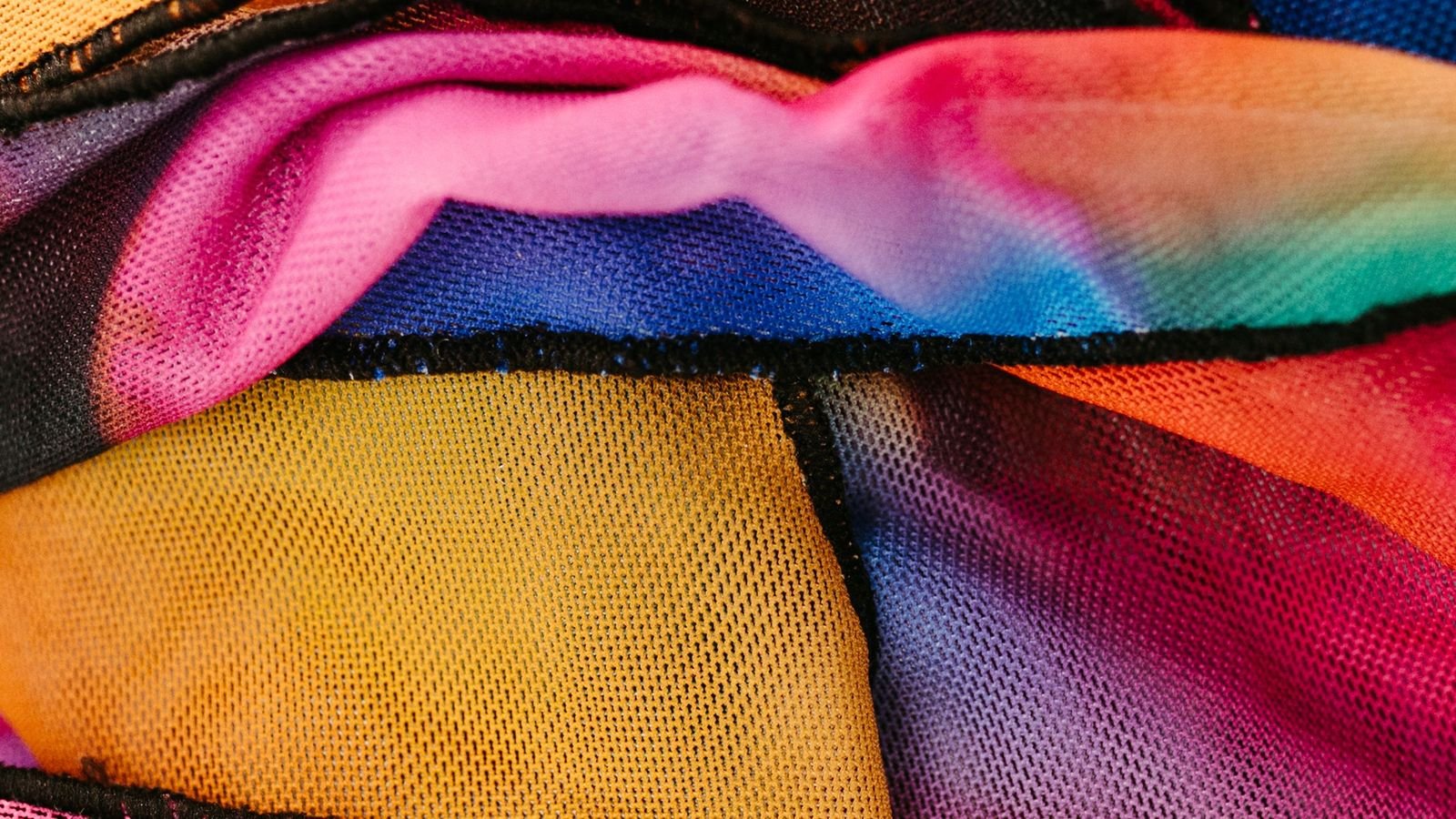
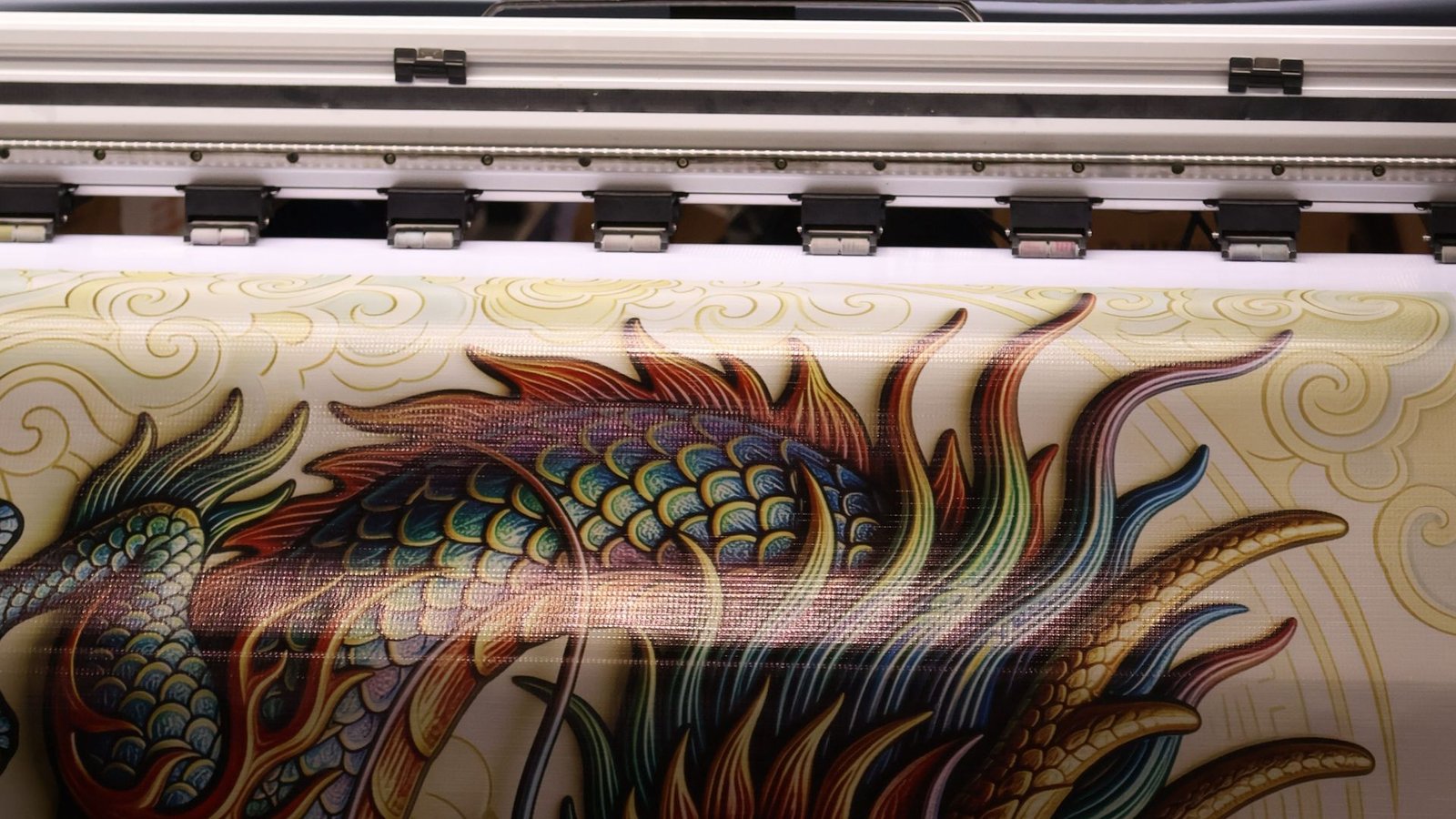
The process runs in a fixed order: print, press, cut, sew. The design is printed as flat panels, pressed into the fabric, and only then are the panels cut and sewn into a garment. Because the ink becomes part of the fibre, the printed fabric keeps its feel and its stretch. There is no film, rubbery patch or raised edge on the surface.
Printing the panels before sewing is also what makes edge-to-edge designs possible. Front, back and sleeves can each carry a full design, including gradients, photographic detail and fine linework, with no limit on the number of colours.
Why do rashguard brands choose sublimation over screen printing or transfers?
Brands choose sublimation because the print sits inside the fabric, moves with every stretch and lets them use any number of colours across the whole garment.
Screen printing and heat transfers add a layer on top of the fabric. On a loose T-shirt that can work well. On a rashguard that is pulled over the head, stretched across the back and worn wet, a surface layer can feel stiff, and over time it can crack or lift at the edges. A sublimated print has no surface layer to fail in that way.
Sublimation also suits how brands work. There are no screens to make per colour, so a new colourway or a limited design is a file change rather than a setup cost. That makes small runs, test drops and seasonal variants practical. If you are planning a small first run, our guide to working with a low MOQ rashguard manufacturer covers minimums, sampling and size planning.
Sublimation has limits you should design around:
- It needs a light base fabric. The ink is transparent, so the fabric colour shows through it. Dark base fabrics are not suitable.
- There is no white ink. Any white in your design is simply unprinted fabric, so white areas are as white as the base.
- Plan bright accents with strong standard colours. We don’t print neon colours.
Which fabric works best for sublimated rashguards?
The best fabric is a light-coloured, polyester-rich stretch fabric with its composition, weight and UV protection stated in writing.
Sublimation ink bonds with polyester, so the polyester share of the fabric drives how rich and sharp the colours look. Elastane gives the stretch and recovery a rashguard needs. Our rashguards use Italian Carvico Vita PL:
- 78% recycled polyester / 22% elastane
- 190 g/m²
- UPF 50+ UV protection
- GRS- and OEKO-TEX-certified
Ask any manufacturer to name the fabric, the mill and the certificates. Be careful with broad environmental wording on your own product pages. Under EU Directive 2024/825, generic claims are being restricted, so state the specific, verifiable fact (for example the recycled polyester share and the certification) rather than a general promise.
How do you design artwork that survives stretch and seams?
Build the design on the manufacturer’s pattern template, keep key details away from seams and the zones that stretch most, and judge the result on a worn sample rather than a screen.
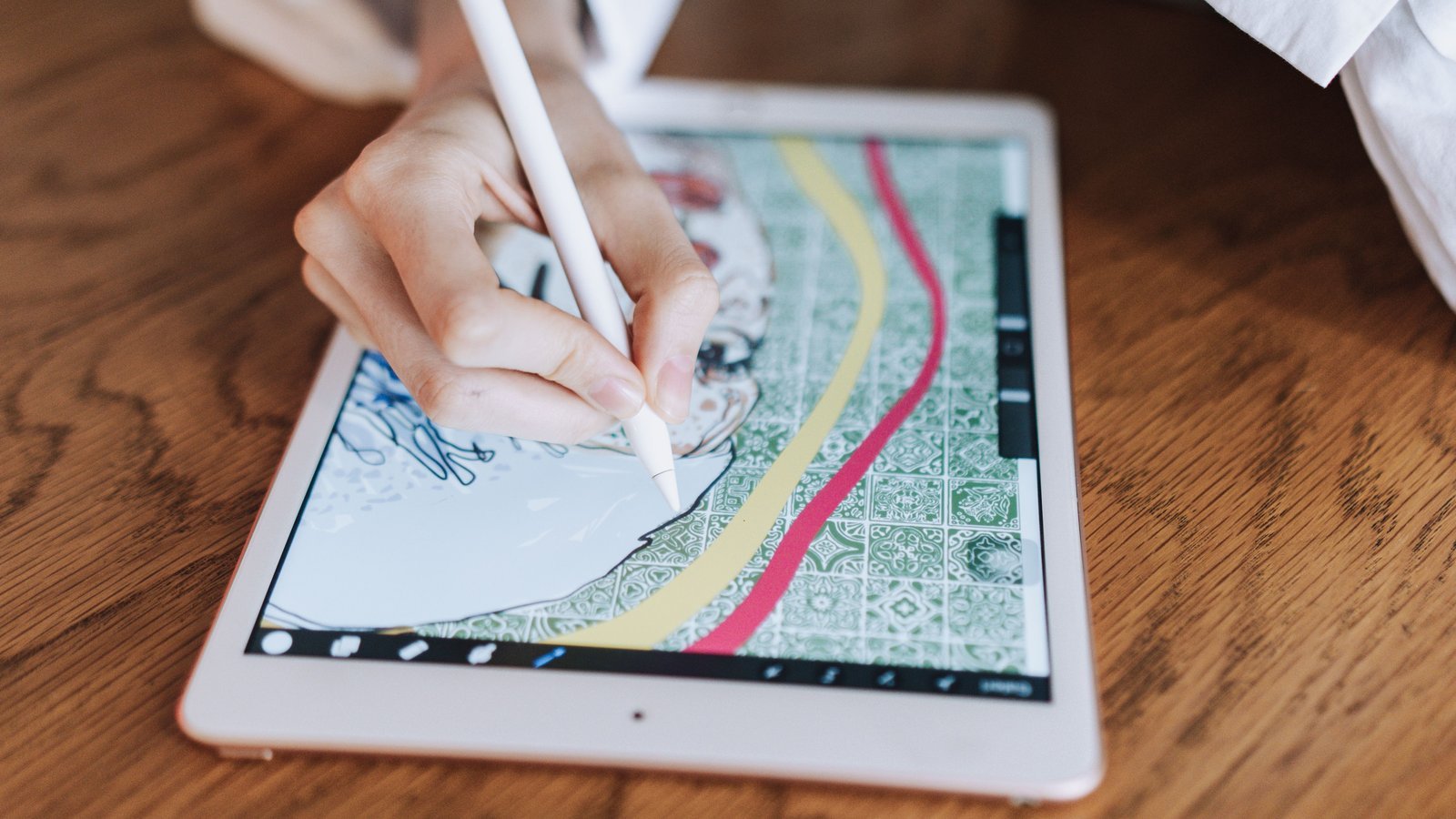
A rashguard design is not one picture. It is a set of flat panels that are cut and sewn together, so every line that crosses a seam has to meet a line on the next panel. These rules prevent most problems:
- Work on the template. Ask for the pattern template of the cut you will use and place your artwork on each panel, with bleed beyond the cutting line.
- Avoid lines exactly on seams. A thin stripe or outline that sits right on a seam can wander when panels are sewn. Move it clear of the seam or make it wide enough to absorb small shifts. Our designers check artwork on our templates and flag this before production.
- Respect stretch zones. Shoulders, upper back and chest stretch most when worn. A print can look lighter where fabric stretches, so check dark solid areas and small text in those zones on the sample.
- Keep logos clear of underarms and side seams. Place logos where the panel is flat and visible.
- Send production-ready files. Vector logos and high-resolution artwork avoid soft edges and pixelation.
Read how to prepare your artwork before you send files, so your first mockup is close to final.
How do you get colour right on a sublimated rashguard?
You get colour right by giving clear colour references, approving a physical sample in daylight and treating that approved sample as the reference for every later run.
Screens show colour as light; fabric shows it as ink absorbed into fibre, so a design never looks identical on a monitor and on a garment. You can send Pantone references as your target, but slight colour differences can occur because sublimation ink absorbs into the fabric. Brand colours that matter most, such as a logo colour, are worth checking on fabric early.
For a deeper look at the options, read our guide to colour books versus colour matching.
How should you approve a sublimated rashguard sample?
Approve a sample only after you have worn it, stretched it, washed it and checked the colours and placements against your artwork.
A sample tells you what a mockup cannot. Use this short routine:
- Wear it in the size you designed for and move as your customers will, then check how the print looks across the shoulders and back.
- Check every seam where lines or blocks of colour meet.
- Compare colours to your references in daylight, not under shop lights.
- Wash it following the care instructions you plan to give customers.
- Write down changes clearly, panel by panel, and keep the approved sample.
50% of a paid sample’s cost is credited against your bulk order of at least €2,000 ex VAT (shipping excluded). If you don’t have a complete tech pack yet, send what you have and we’ll tell you what’s missing.
How do you keep prints and colours consistent on reorders?
Keep reorders consistent by having the manufacturer store your approved artwork, colour settings and pattern, and by referencing the approved sample on every new order.
Consistency is where many small brands lose quality. A reorder made from a slightly different file, fabric batch or pattern can look and fit differently from the first drop, and customers notice. Ask your manufacturer how files are stored and versioned, and give every design a clear name and version number on your side too.
Two points of ownership matter for brands. Your prints are yours: we never reuse a customer’s prints. Patterns are handled separately. We own the patterns we develop, but you can buy the pattern from us, and part of what you have already paid goes towards that purchase. If you are developing a style from scratch, our develop your own sportswear page explains the process, and its FAQ sets out our development terms.
How long does sublimated rashguard production take?
Production takes 2.5–4 weeks from artwork approval, and new developed styles need extra time for development and sampling first.
The clock starts when artwork is approved, so the fastest way to shorten your timeline is to send complete files and make decisions on the sample quickly. On existing cuts you can order from 1 piece. For a developed style, the timeline is given with your quote. Volume discounts apply to larger orders.
Checklist: 7 questions to ask a sublimated rashguard manufacturer
- Which fabric do you use, from which mill, with what composition, weight and certificates?
- Can you send the pattern template for the cut I will use?
- Do you check artwork for lines on seams before production?
- How do you handle colour references, and what is the colour approval step?
- How are my artwork, colour settings and pattern stored for reorders?
- Who owns the pattern, and do you ever reuse a customer’s prints?
- What is the lead time from artwork approval?
How Sportswear of Tomorrow makes sublimated rashguards
Every rashguard we make follows the same sequence of print, press, cut and sew, on existing cuts or on a style developed for your brand, for fight sports, swimming and surfing.
Sportswear of Tomorrow at a glance
- Custom sublimated sportswear since 2002; rashguards made in Europe
- Italian Carvico Vita PL: 78% recycled polyester / 22% elastane, 190 g/m², UPF 50+
- From 1 piece on existing cuts
- 2.5–4 weeks from artwork approval
- We own the patterns we develop and never reuse a customer’s prints
- 1,000+ brands and teams since 2002
We make private-label sublimated rashguards for brands that want a premium print on a premium fabric, made the same way every time.
Get a quote
Send us your artwork or design idea, a reference garment if you have one, your colour references, the designs and colourways you plan, rough quantities per size and your launch date. We’ll come back with questions and a quote. New customers can also fill in our customer onboarding form so we have your details from the start.
Frequently asked questions
What is a sublimated rashguard?
A sublimated rashguard has its design printed onto transfer paper and moved into the polyester fibres of the fabric with heat and pressure, so the print is part of the fabric and stretches with it.
Can a sublimated rashguard have white in the design?
White areas in a sublimated design are unprinted fabric, so they are as white as the base fabric. We don’t print neon colours.
Will a sublimated print crack or peel?
A sublimated print has no surface layer, because the ink sits inside the fibres, so there is no film to crack or peel as there can be with screen prints or transfers.
Can you match my Pantone colours on a rashguard?
You can send Pantone references as your target, but slight colour differences can occur because sublimation ink absorbs into the fabric. The approved sample is the colour reference for production.
Who owns the pattern and the prints?
Your prints are yours and we never reuse a customer’s prints. We own the patterns we develop, but you can buy the pattern from us, and part of what you have already paid goes towards that purchase.
How long does production take?
Production takes 2.5–4 weeks from artwork approval. New developed styles need extra time for development and sampling first, and that timeline is given with your quote.