In short: A good running apparel manufacturer in Europe for a brand names the fabric of every garment, lets you start small on existing cuts, samples every new style before bulk, is clear about who owns the pattern and the prints, and keeps your approved version on file so every reorder matches. Sportswear of Tomorrow makes private-label sublimated running shirts, singlets and shorts in Europe, with our own factory in Aiud, Romania, from 1 piece on existing cuts and 2.5–4 weeks from artwork approval.
Runners notice details. They notice how a singlet sits after ten kilometres, whether shorts ride up mid-stride, and whether the second drop fits like the first. Choosing the manufacturer is therefore one of the biggest decisions a running brand makes. This buyer’s guide is for founders and product or sourcing managers comparing running apparel manufacturers in Europe: what to ask, what to check on the sample, and how to protect your fit and your designs once you start reordering. For a broader overview of how private label running apparel works, see our guide to private label running apparel.
Why do running brands look for a manufacturer in Europe?
Most brands look in Europe for control: over the fabric, the samples and the timing of restocks.
When your customers are in Europe, a manufacturer in Europe shortens the distance between production and your stock. Sample rounds are quicker to organise, and restocks can be planned in weeks rather than a whole season ahead. Working in the same time zones also makes the many small decisions of a running line, such as a logo position, a colour correction or a size check, easier to settle.
Europe on its own is not a quality standard, though. Judge each manufacturer on the same points: the fabric it uses for each garment, how it samples, how it handles reorders and how clearly it answers your questions in writing.
What should premium running apparel be made of?
Premium running shirts, singlets and shorts need a named fabric per garment, with composition and certifications in writing, not a blanket claim for the whole range.
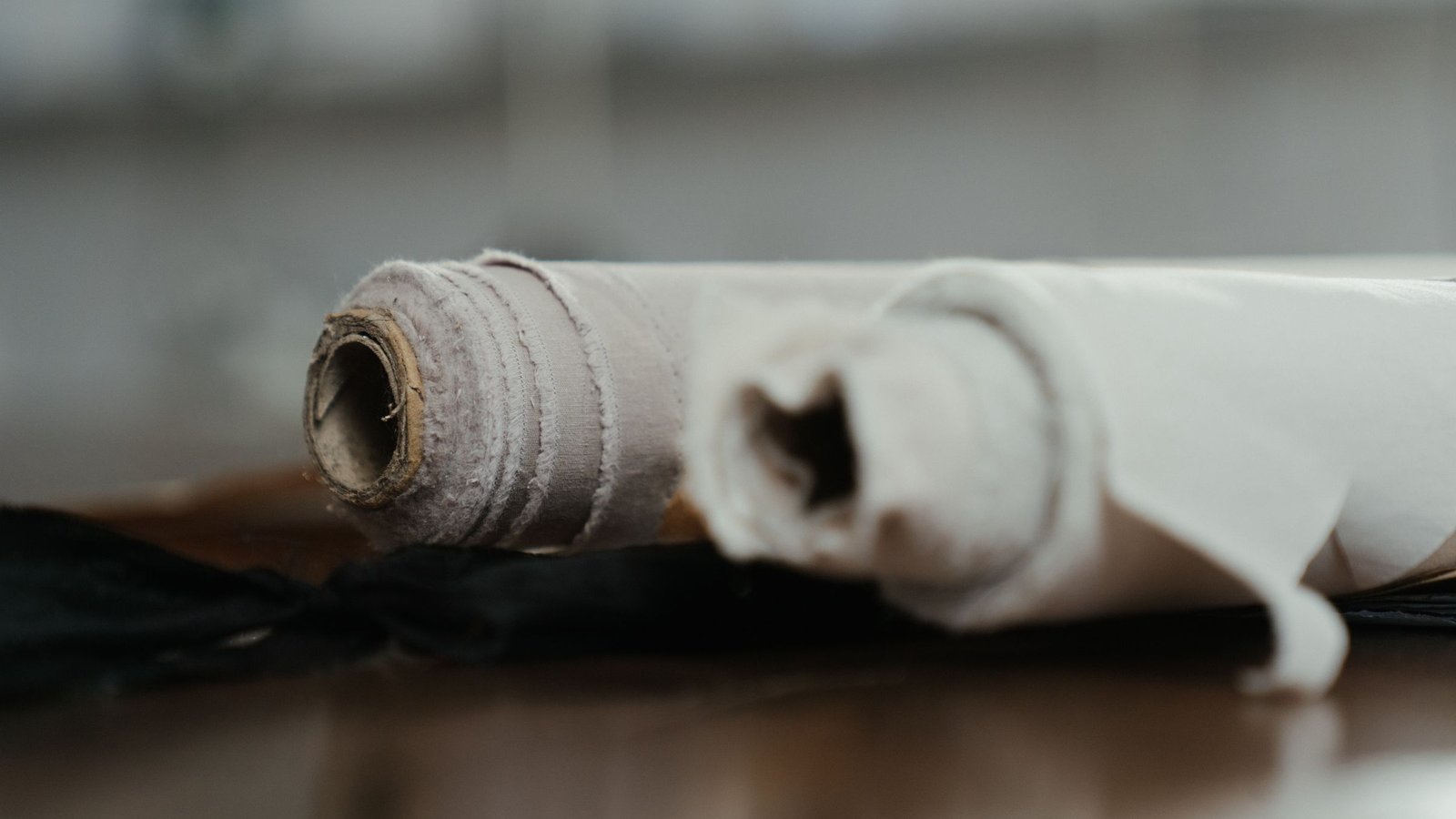
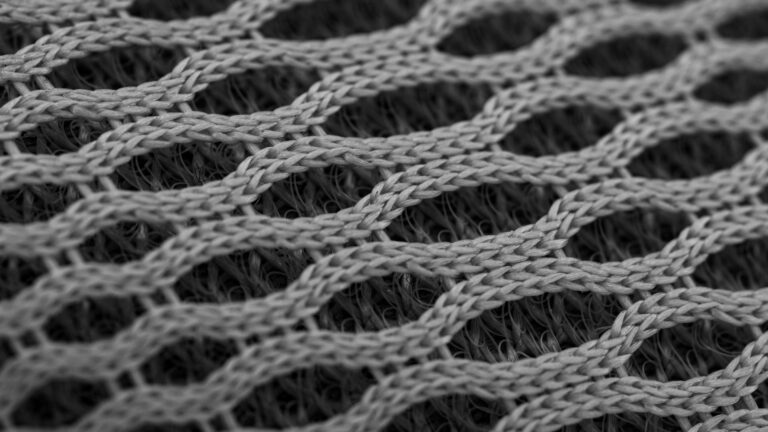
“Technical polyester” is not a specification. Ask every manufacturer which fabric it uses for each style, its composition and its certifications, in writing. A singlet and a short do different jobs: a top needs to stay light when it is wet with sweat, while a short moves with every stride, and an elastane blend can give stretch and recovery where the garment works hardest.
At Sportswear of Tomorrow, running shirts, singlets and shorts are made from 100% recycled polyester, or recycled polyester/elastane blends, depending on the style. Always ask for the composition of every garment. Our guide to fabric GSM explains why weight and composition alone don’t tell you how a fabric will perform.
The print matters as much as the cloth. With dye-sublimation, the ink becomes part of the polyester fibre instead of sitting on top, so full-colour designs can run edge to edge without a heavy ink layer that cracks after washing. Claim only what you can document for each garment: since 27 September 2026, the EU rules on environmental claims to consumers (Directive (EU) 2024/825) restrict generic environmental claims that can’t be substantiated. A specific statement such as “100% recycled polyester” for a singlet that uses that fabric is safer than one blanket recycled claim for a whole range.
How do you check where and how your running apparel is made?
Ask each manufacturer which steps it carries out itself, which documents back its fabric claims, and who checks quality before your order ships.
A running shirt, singlet or short goes through several steps: pattern, sample, sublimation printing, pressing, cutting and sewing. You don’t need to visit every step, but you should know who is responsible for the result and who you speak to when something needs fixing. Useful questions:
- Who is my contact from first brief to reorder, and in which language do we work?
- Which certificates back the fabric of each garment, and can I keep a copy in my compliance file?
- How is quality checked before the order ships, and what happens if a piece is not to spec?
- Where are the garments made? Get the answer in writing.
Sportswear of Tomorrow makes custom sublimated sportswear in Europe, with our own factory in Aiud, Romania, and has done so since 2002. Our running apparel is made in Europe, with our own factory in Aiud, Romania.
Can you start small on an existing cut and still launch a premium product?
Yes: start on an existing cut in a small first run, and develop your own pattern once you know what sells.
On an existing cut, the pattern and grading already exist, so you add your artwork, colours and logo positions and order the sizes you need. At Sportswear of Tomorrow, existing cuts start from 1 piece, which makes small first drops, pre-orders and campaign shoots practical. See our custom running singlet and universal sports jersey, and browse the running category.
Developing your own style means your own pattern, measurements and size set. It takes longer, because development and sampling come first, and the timeline is given with your quote. For a developed style, the minimum order depends on the fabric and colour and is confirmed in your quote. Volume discounts apply to larger orders. You can develop your own sportswear with us.
How should sampling work with a running apparel manufacturer?
Every new style should go through a physical sample that you run in, wash and check against your brief before you approve bulk.
A singlet that looks right on a hanger can still fail at pace. Test the sample the way your customers will:
- Run in it. In warm weather and in rain. Check that the hem stays down, the straps stay in place and nothing rubs on a long run.
- Try several sizes. Have runners of different builds wear it, not only the founder.
- Wash it. Wash it several times and check the print, the seams and the shape.
- Check it against the brief. Measure it, check every logo position and compare the colours with your references in daylight.
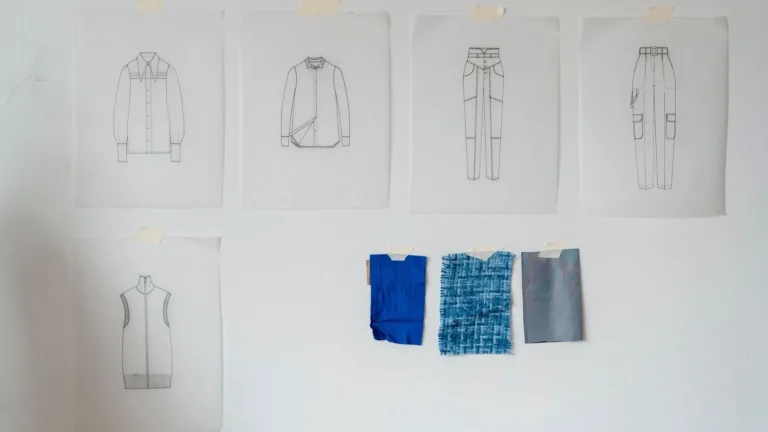
Write your comments down with photos and clear numbers. If you don’t have a full tech pack yet, send what you have, such as a reference garment, sketches and logo files, and we’ll tell you what’s missing. At Sportswear of Tomorrow, 50% of a paid sample’s cost is credited against your bulk order of at least €2,000 ex VAT (shipping excluded).
Who owns the pattern and the prints?
Agree on it in writing before development starts, so there are no surprises when you reorder or grow.
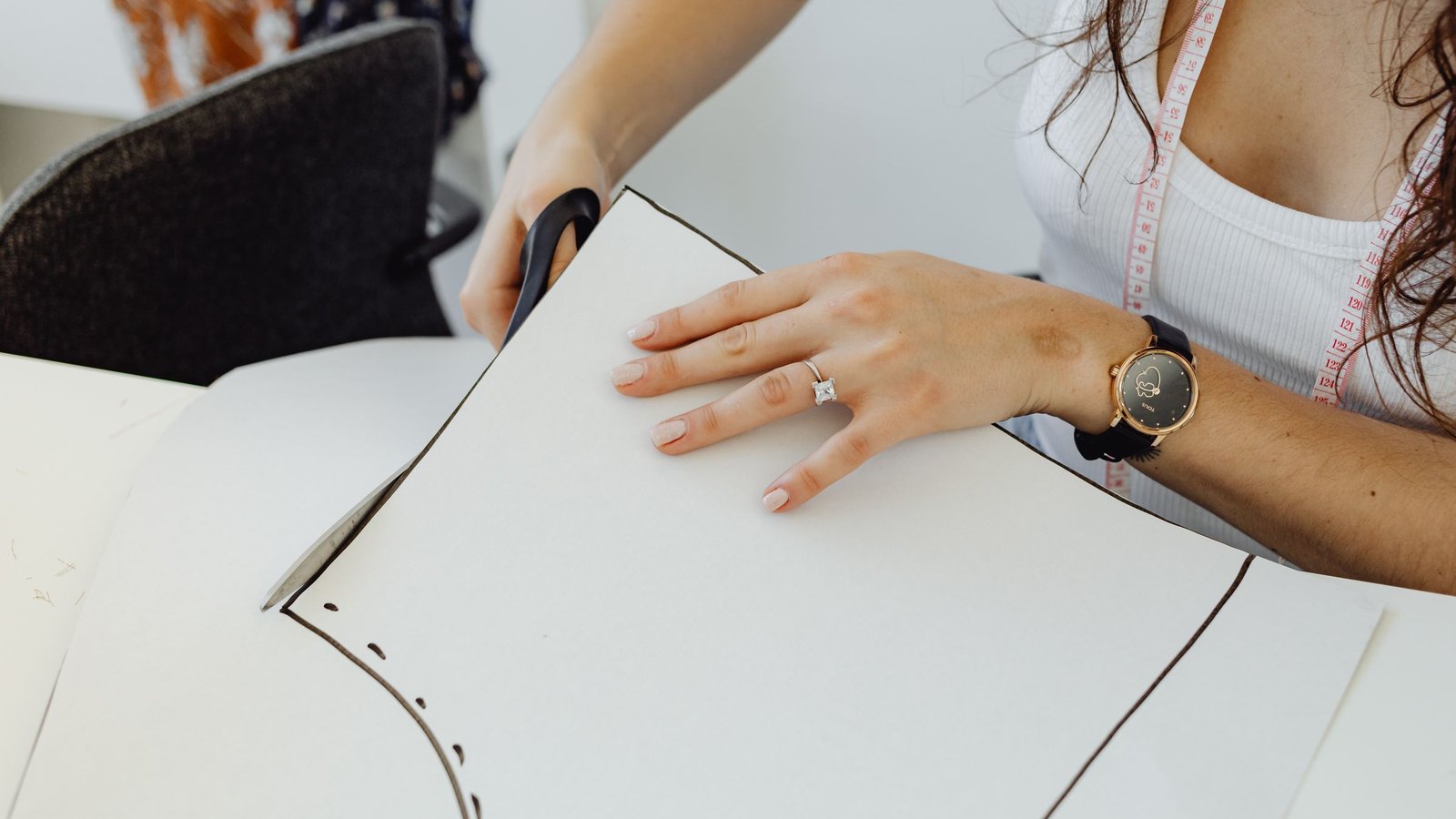
Your designs are your brand, so ask every manufacturer two questions: who owns a pattern it develops for you, and what happens to your prints and artwork after production. At Sportswear of Tomorrow, the answer is clear. We own the patterns we develop, and we keep them on file so your reorders match. Your prints are yours: we never reuse a customer’s prints for anyone else.
If you need the pattern itself to belong to your brand, raise it before development starts. If you want an NDA in place before you share designs, ask for one at the start too.
How do you keep colour and fit the same on every reorder?
Lock the approved sample as your reference, version every change, and work with a manufacturer that keeps your pattern and colour profile on file.
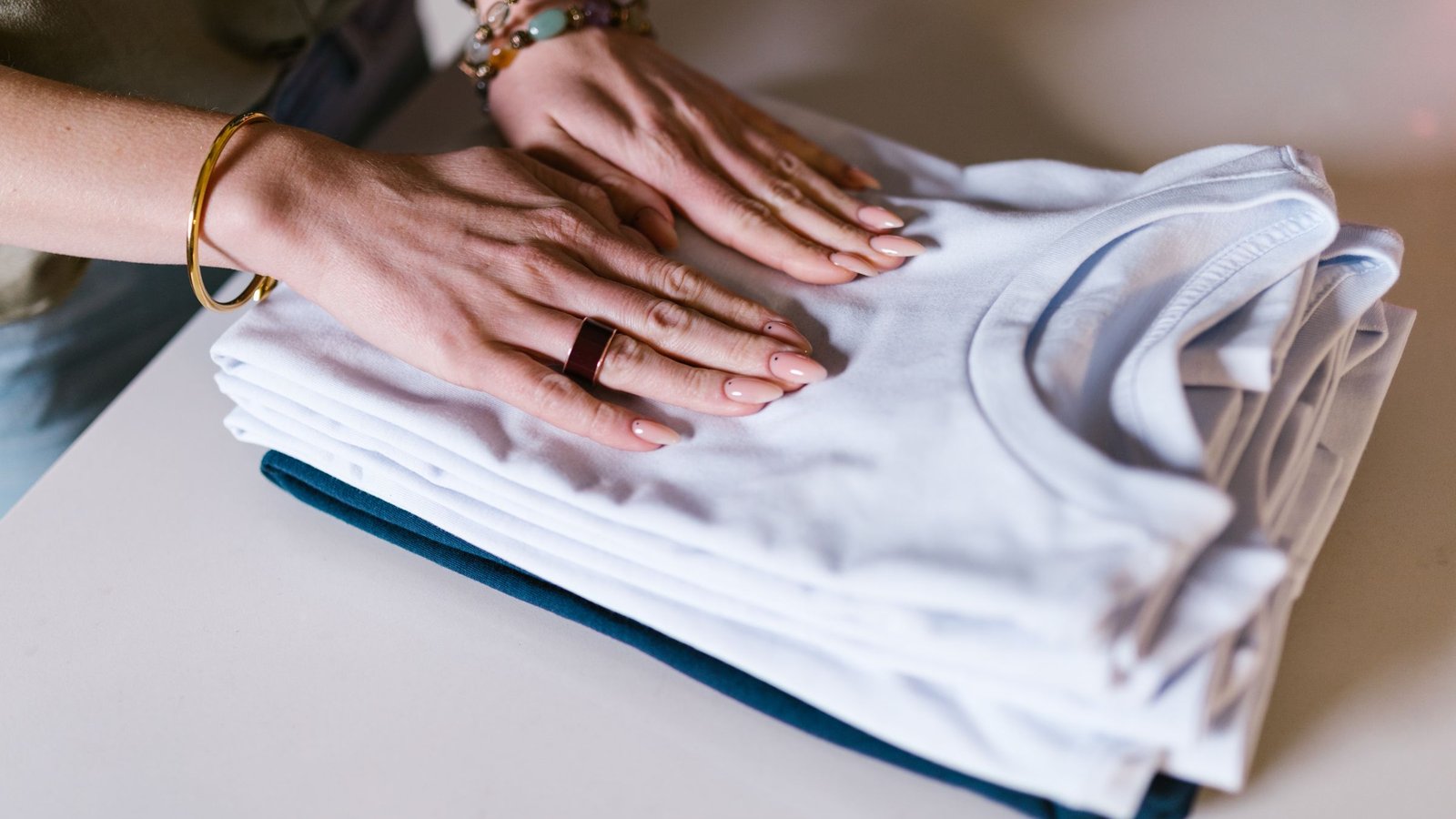
Customers who bought your first drop expect the second one to fit and look the same. Give a Pantone or colour reference for every colour in your design. Slight colour differences can occur because sublimation ink absorbs into the fabric, and screens show colour differently from fabric, so the approved physical sample is the reference for bulk and for every reorder. Our guide to colour books versus colour matching explains how to approach this.
At Sportswear of Tomorrow, we keep stored colour profiles and patterns so reorders match. If you change anything, such as a new colourway or a longer hem, treat it as a new version and record it.
How long does running apparel production take?
At Sportswear of Tomorrow, production takes 2.5–4 weeks from artwork approval on every order, bulk included, plus shipping.
For a new style, development and sampling come first and are planned in your quote. Plan backwards from your launch date, such as a web shop drop, a season start or a retail delivery: subtract shipping, the production time, your artwork approval and, for a new style, development and sampling. Confirm the date with your manufacturer before you announce it to customers.
Checklist: 8 questions to ask a running apparel manufacturer in Europe
- Which fabric do you use for each garment, with composition and certifications in writing?
- Can I start on an existing cut, and from how many pieces?
- What does developing my own style involve, and what is the minimum order for it?
- Do I get a physical sample of every new style before bulk?
- Who owns the pattern you develop, and what happens to my prints?
- How do you keep colour and fit the same between drops?
- How long does production take after artwork approval, and does that include bulk?
- Where are the garments made, and who is my contact from brief to reorder?
How Sportswear of Tomorrow makes private-label running apparel
Sportswear of Tomorrow at a glance
- Custom sublimated sportswear, made in Europe, with our own factory in Aiud, Romania, since 2002
- Running shirts, singlets and shorts in 100% recycled polyester, or recycled polyester/elastane blends, depending on the style
- From 1 piece on existing cuts
- 2.5–4 weeks from artwork approval, bulk included
- We own the patterns we develop and never reuse a customer’s prints
- 1,000+ brands and teams since 2002
We make private-label running apparel for brands, on our existing cuts or on a style developed for you. See the running category, and read how to prepare your artwork.
Get a quote
Send us your brief, a reference garment or tech pack, your artwork, the styles and colourways you plan, rough quantities per size and your launch date. We’ll come back with questions and a quote, and for a new style the first step is always a sample.
Frequently asked questions
What should I look for in a running apparel manufacturer in Europe?
A named fabric for each garment with composition and certifications in writing, existing cuts you can start on in small runs, a physical sample of every new style before bulk, clear terms on who owns the pattern and the prints, and stored patterns and colour profiles so reorders match.
What fabric are your running shirts, singlets and shorts made from?
At Sportswear of Tomorrow, running shirts, singlets and shorts are made from 100% recycled polyester, or recycled polyester/elastane blends, depending on the style. Ask for the composition of every garment in writing.
Can I start my running line with a small first order?
Yes. At Sportswear of Tomorrow, existing cuts start from 1 piece. Styles developed to your own pattern take longer, because development and sampling come first; the minimum order and the timeline are confirmed in your quote.
Who owns the pattern and the prints?
At Sportswear of Tomorrow, we own the patterns we develop and keep them on file so your reorders match. We never reuse a customer’s prints for anyone else. Agree ownership in writing with any manufacturer before development starts.
Will my running apparel match my Pantone colours?
We work from your Pantone references, but slight colour differences can occur because sublimation ink absorbs into the fabric, and screens show colour differently from fabric. Approve colour on a physical sample in daylight; that sample is the reference for bulk and reorders.
How long does running apparel production take?
At Sportswear of Tomorrow, 2.5 to 4 weeks from artwork approval on every order, bulk included, plus shipping. Development and sampling for a new style come first and are planned in the quote.