In short: Private label padel apparel is padel clothing (shirts, shorts, women’s tanks and skirts) that a manufacturer makes to your specification and you sell under your own brand. Choose between an existing cut and your own developed style, get the fabric of every garment in writing, approve a physical sample before bulk, and cut every reorder from the same approved pattern. Sportswear of Tomorrow makes private-label sublimated padel apparel in its own facility in Aiud, Romania, from 1 piece on existing cuts and 2.5–4 weeks from artwork approval.
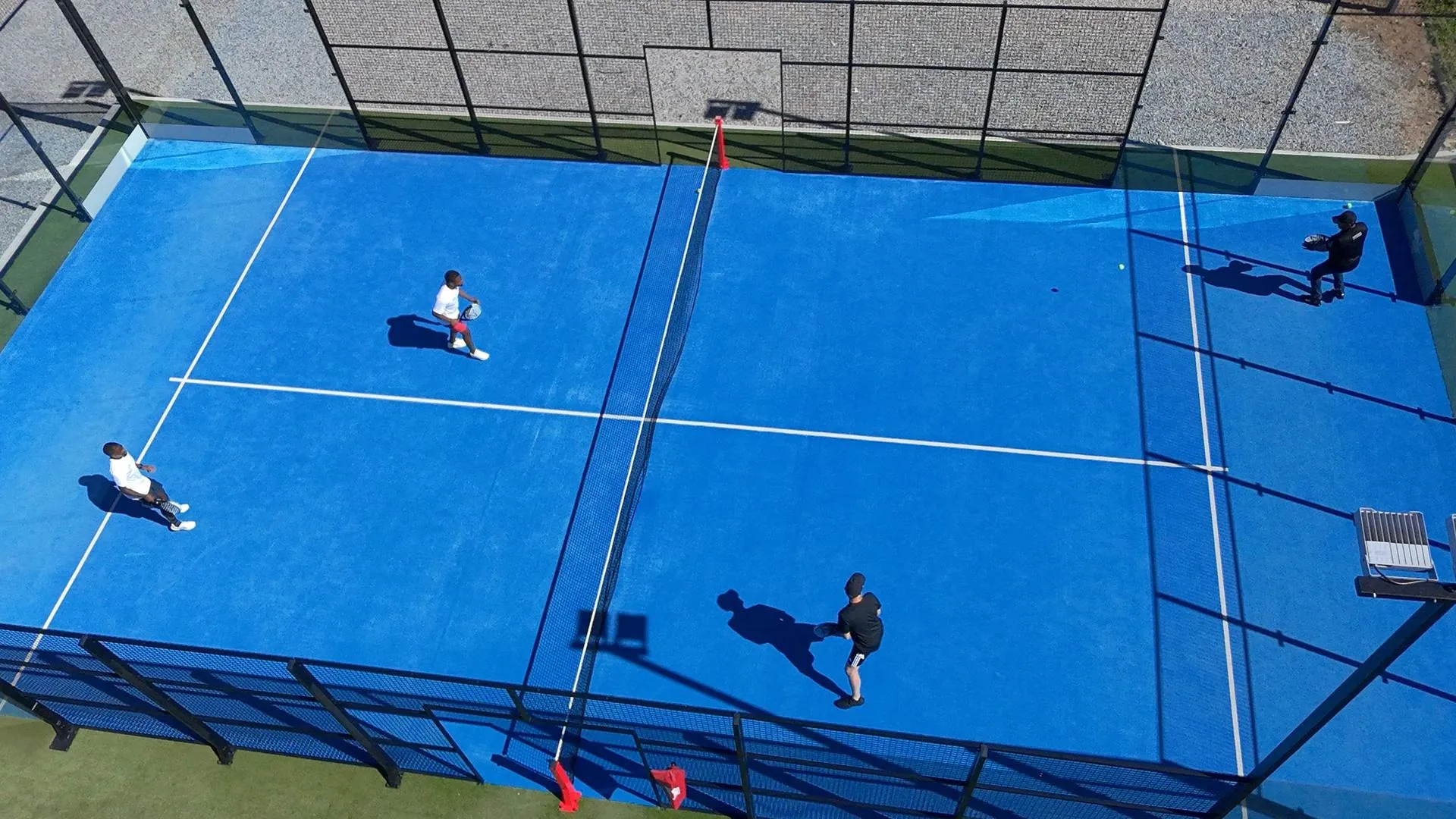
Padel is played in short, sharp movements: lateral steps, low volleys and smashes off the glass, often on a hot court. Players notice straight away when a shirt rides up on an overhead or a skirt sits wrong in a lunge. For a brand founder or product manager, those details are decided with the manufacturer behind your label. This guide covers what private label padel apparel involves, how fabric and development work, and what to agree before your first bulk order.
What is private label padel apparel?
Private label padel apparel is padel clothing produced by a manufacturer to your specification and sold under your brand name.
The manufacturer handles the pattern, fabric, printing, cutting and sewing. You own the brand, the range plan and the relationship with your customers. With sublimation, your logos, colours and graphics are dyed into the polyester fabric before the garment is cut and sewn, so the design can cover the whole garment, edge to edge. A sublimated padel kit for brands can carry one design language across shirts, shorts, tanks and skirts.
Private label is different from decorating blank padel shirts. A blank comes in someone else’s cut and fabric, with a print added on top. With private label, you choose the cut, the fabric and the full-surface design, and that makes a padel range recognisably yours.
Why do padel brands go private label?
Padel brands go private label when they need a fit, fabric and look they control, without building a factory of their own.
Typical reasons:
- Brand control. Your name, your colours and your artwork on every piece, with none of the manufacturer’s branding on the garment.
- One range, men’s and women’s. Men’s and women’s shirts and shorts, plus women’s tanks and skirts, from one manufacturer and one quality standard.
- A first drop you can sell through. On existing cuts you can start in small runs, test designs, then restock what sells.
- A signature fit later. Once you know what sells, develop your own style and keep that pattern for every reorder.
- Honest product pages. A written composition per garment for labels and listings.
If you want to start a padel clothing brand, this is the usual route: you invest in design, fit and customers, and leave production to a custom padel apparel manufacturer. Sportswear of Tomorrow makes padel apparel for brand ranges and runs private-label programmes for padel apparel brands.
What should padel shirts and shorts be made of?
Padel apparel needs fabric that stretches and recovers with every lunge, a print that is part of the fabric, and a composition you can state for each garment.
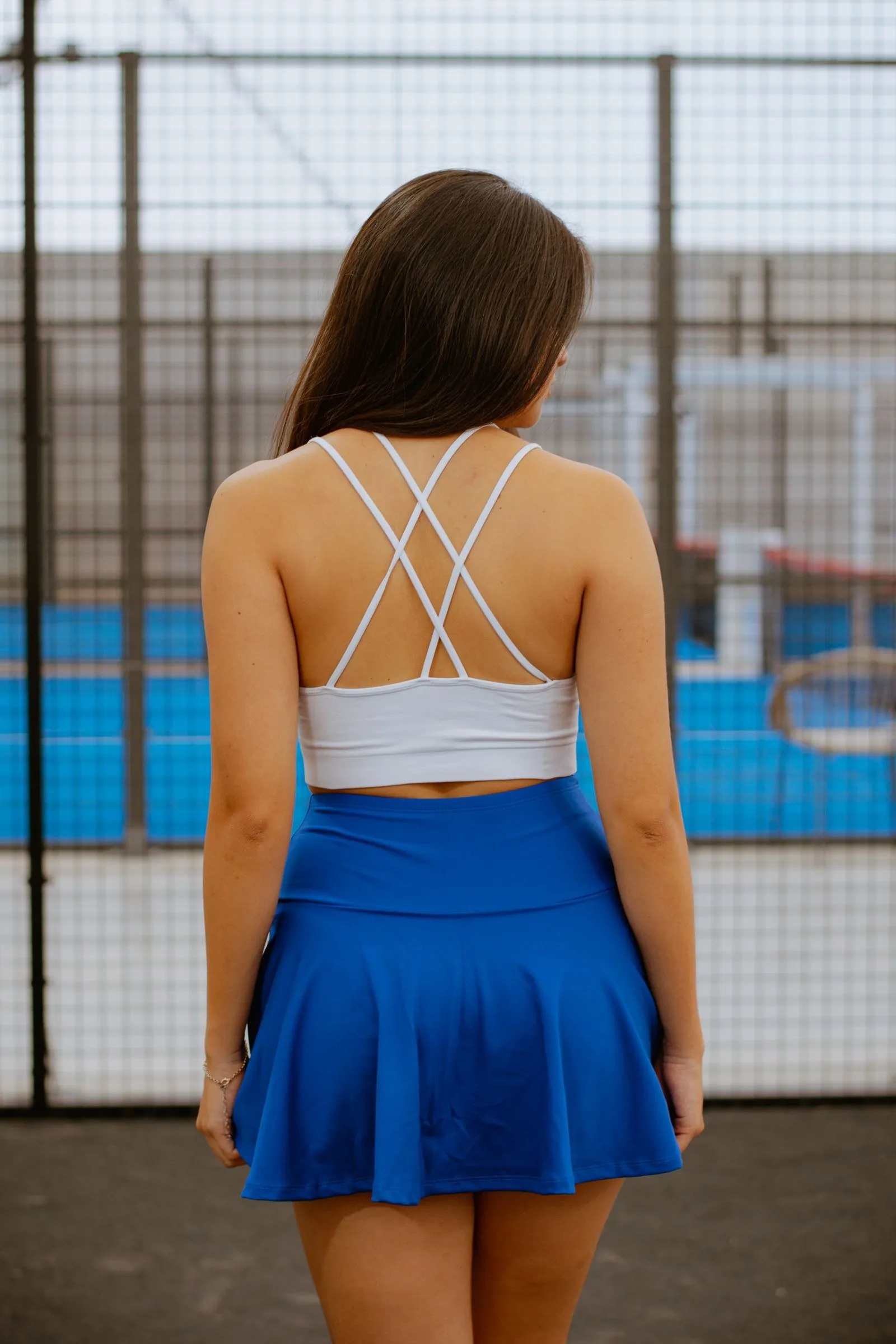
- Fabric. At Sportswear of Tomorrow, sports jerseys and shorts, padel shirts and shorts included, are made in 100% recycled polyester or in recycled polyester/elastane blends, depending on the style. The exact composition is named per garment in your quote.
- Movement. In the sample, check that the shirt stays in place on a smash, that shorts allow a deep lunge, and that a skirt sits right when the player moves low and wide.
- Print. With dye-sublimation the ink becomes part of the polyester fibre instead of sitting on top, so the design will not crack or peel the way a printed-on layer can after matches and washes. It also allows full-colour designs edge to edge.
- Fit. The second drop should fit like the first, which only happens when the manufacturer cuts every restock from your approved pattern.
Ask for every garment’s composition in writing; you will need it for product pages and labels.
Should you start on an existing cut or develop your own padel style?
Start on an existing cut if speed and a small first order matter most; develop your own padel style when fit is part of what you sell.
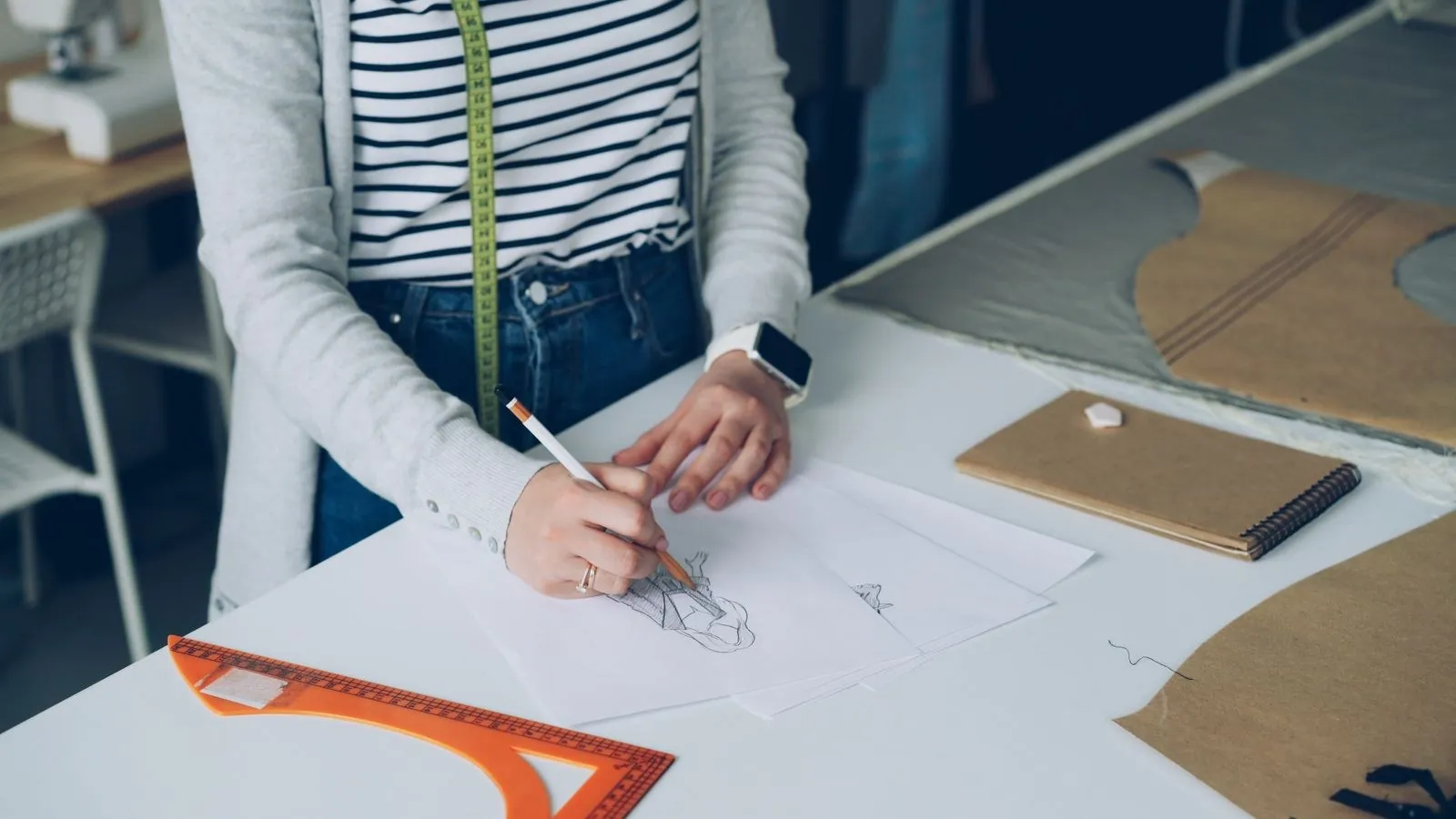
- Existing cut. Your design goes on a pattern the manufacturer already produces, so there is no development step. At Sportswear of Tomorrow you can order from 1 piece on existing cuts, which makes it a practical way to test designs, shoot a campaign or open a pre-order. Private label padel shirts on an existing cut are often the fastest route to a first collection.
- Your own style. The manufacturer develops a pattern from your tech pack, a technical drawing or a reference garment with measurements, and grades it into your size set. At Sportswear of Tomorrow, development is paid per style and part of the fee is refunded once the style reaches volume. New colourways or artwork on a developed style do not need a new development. See develop your own for how that process works.
Put the details padel players notice into your tech pack, such as short length, the back shape of a women’s tank, or an inner short on a skirt, and ask the manufacturer to confirm each one before development starts.
Many padel brands do both: they launch on an existing cut, learn what sells, then develop a signature shirt or skirt for the next drop.
How do sampling, tech packs and colour work?
You approve a physical sample of each new style before bulk, and you treat colour on fabric, not on screen, as the reference.
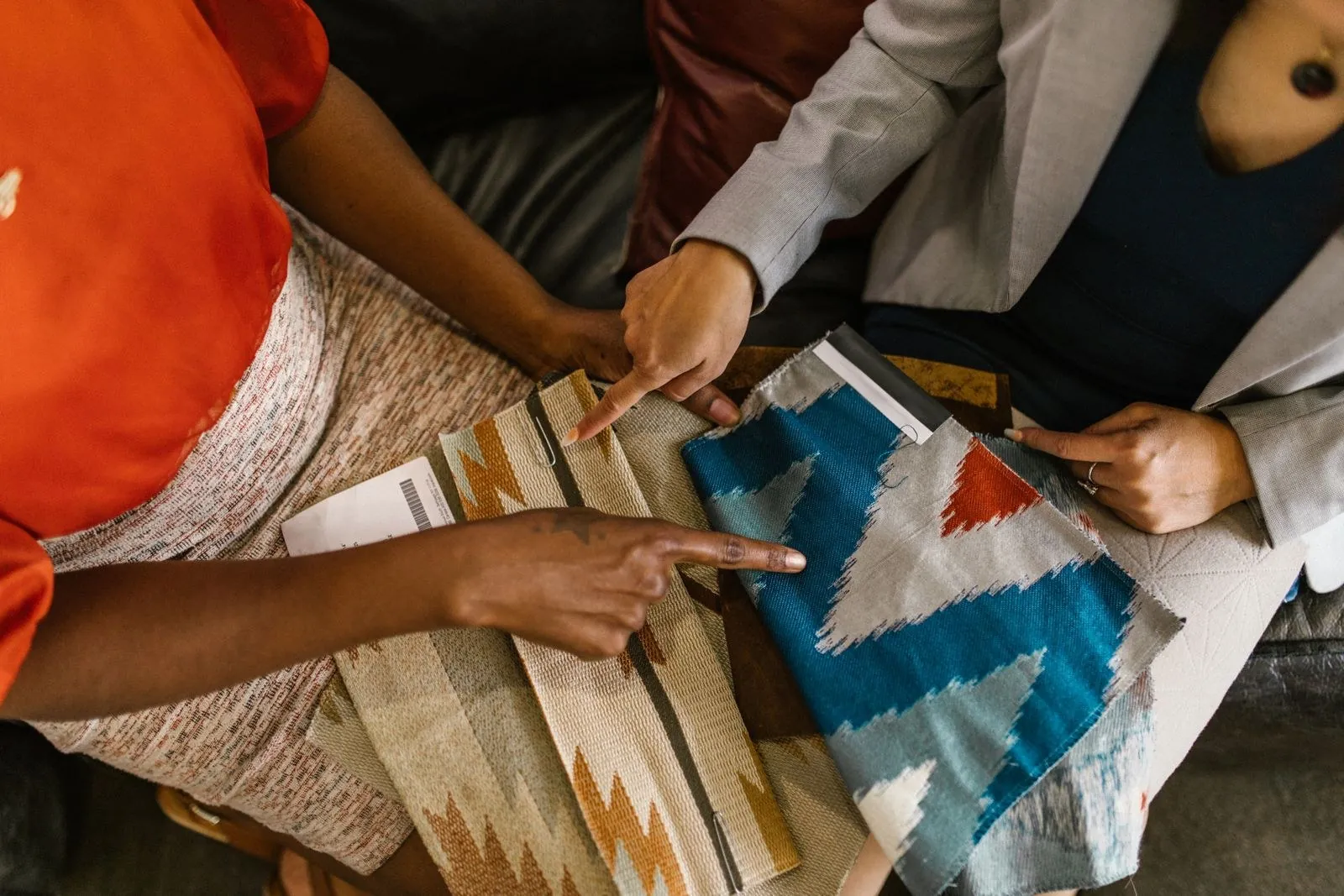
Before production, send a tech pack, a technical drawing or a physical garment whose fit you like, with measurements, plus logos in vector format (AI, EPS, SVG or PDF) and Pantone or colour codes. AI-generated images are fine for mood boards, but a garment cannot be judged from images alone: production needs a real tech pack or a physical sample with measurements. No tech pack yet? At Sportswear of Tomorrow, we build it with you as part of product development.
Test the sample the way your customers will: play a few sets in it, wash it, and check it after a long match in the heat. Ask men and women in different sizes to try it, not only the founder. Compare colours with your Pantone references in daylight. Slight colour differences can occur because sublimation ink absorbs into the fabric, and screens show colour differently from fabric, so the approved physical sample is the reference. One honest limit of sublimation: a sublimated black is never quite as deep as a pre-dyed black fabric.
A sample costs far less than a bulk order in the wrong fit. At Sportswear of Tomorrow, 50% of a paid sample’s cost is credited against your bulk order of at least €2,000 ex VAT (shipping excluded).
Who owns the pattern, and how do reorders stay consistent?
Agree pattern ownership before development starts, and cut every reorder from the same approved pattern and colour files.
Your fit is part of your brand. Ask any manufacturer whether the approved pattern and colour files are kept on file, and whether everything is printed, cut and sewn in one facility. At Sportswear of Tomorrow, we keep your pattern on file for your reorders and you can buy it. We do not resell or reuse client-specific patterns. Printing, cutting and sewing all happen in our own facility in Aiud, Romania, with no partner factories. If you want an NDA before you share designs, send a short English NDA and we will review and sign it.
Volume discounts apply to larger orders. On existing cuts you can restock in small runs; for a developed style, the minimum is confirmed in your quote.
How long does it take from idea to first drop?
Production at Sportswear of Tomorrow takes 2.5–4 weeks from artwork approval on every order, bulk included, plus shipping; development and sampling for a new style come first.
Plan backwards from your launch date:
- Launch date (the start of the outdoor season, a retail delivery or your web shop drop)
- Minus shipping time
- Minus 2.5–4 weeks of production
- Minus time for the mockup, your changes and your artwork approval
- For a new style: minus development and sampling, planned per style in your quote
Confirm the date with your manufacturer before you announce it to customers or retailers.
A practical first-drop approach:
- Launch two or three designs in a focused size run.
- Use pre-orders or a small first stock to learn what sells.
- Restock the winners from the same pattern and colour files instead of guessing a whole season ahead.
What can you claim on padel apparel product pages?
Claim only what you can document: the composition of each garment and any certification that applies to its fabric.
Since 27 September 2026, the EU rules on environmental claims to consumers (Directive (EU) 2024/825) restrict generic environmental claims that cannot be substantiated, and environmental labels that are not based on a certification scheme or set up by public authorities. A specific claim is safer and more convincing. For a padel shirt that could be its exact composition, for example “100% recycled polyester”, written for that shirt only. Avoid one blanket composition claim for a whole range when your shorts or skirts use a recycled polyester/elastane blend, and ask your manufacturer which certification details you can keep in your compliance file.
None of the padel apparel Sportswear of Tomorrow makes carries our branding. Your woven labels, hangtags and packaging are made by specialised label and packaging suppliers; you order and pay them directly and have them delivered to us.
How Sportswear of Tomorrow makes private-label padel apparel
Sportswear of Tomorrow at a glance
- Custom sublimated sportswear manufacturer, founded in 2002
- All padel apparel printed, cut and sewn in our own facility in Aiud, Romania; no partner factories
- Padel shirts and shorts: 100% recycled polyester or recycled polyester/elastane blends, depending on the style
- From 1 piece on existing cuts
- 2.5–4 weeks from artwork approval, bulk included
- 1,000+ brands and teams since 2002
We make private-label padel apparel for brand founders and product teams: men’s and women’s shirts and shorts, plus women’s tanks and skirts. See our padel apparel page and private label overview.
Frequently asked questions
What is private label padel apparel?
Padel clothing, such as shirts, shorts, women’s tanks and skirts, that a manufacturer produces to your specification and that you sell under your own brand. You choose the cut, the fabric and the sublimated design; the manufacturer handles the pattern, printing, cutting and sewing.
What fabric does Sportswear of Tomorrow use for padel shirts and shorts?
Sports jerseys and shorts, padel shirts and shorts included, are made in 100% recycled polyester or in recycled polyester/elastane blends, depending on the style. The exact composition is named per garment in your quote.
What is the minimum order for private label padel apparel?
At Sportswear of Tomorrow, small runs are possible: from 1 piece on existing cuts. For your own developed style, the minimum depends on the fabric and colour and is confirmed in the quote. Volume discounts apply to larger orders.
Should I start on an existing cut or develop my own padel style?
Start on an existing cut if speed and a small first order matter most. Develop your own style when fit is part of what you sell. Many padel brands launch on an existing cut, then develop a signature shirt or skirt for a later drop.
How long does it take to produce private label padel apparel?
At Sportswear of Tomorrow, 2.5 to 4 weeks from artwork approval on every order, bulk included, plus shipping. Development and sampling for a new style come first and are planned in the quote.
Will my padel apparel match my Pantone colours?
We work from your Pantone references, but slight colour differences can occur because sublimation ink absorbs into the fabric. Approve colours on a physical sample in daylight; that sample is the reference for bulk and reorders.
Who owns the pattern of my padel apparel?
Agree it before development. At Sportswear of Tomorrow, we keep the pattern on file for your reorders, you can buy it, and we do not resell or reuse client-specific patterns.
What can I claim about my padel apparel on product pages?
Claim only what you can document per garment, such as its exact composition. Avoid one blanket recycled claim for a range that mixes fabrics, and avoid generic environmental claims that you cannot substantiate.