
In short: Private label running apparel is running wear that a manufacturer makes to your specification and you sell under your own brand. To get it right, choose between an existing cut and your own developed style, know the fabric of every garment, approve a physical sample before bulk, and cut every reorder from the same approved pattern. Sportswear of Tomorrow makes private-label running shirts, singlets and shorts in its own facility in Aiud, Romania, from 1 piece on existing cuts and 2.5–4 weeks from artwork approval.
Runners notice details. They notice how a singlet sits after ten kilometres, whether shorts ride up mid-stride, and whether the second batch fits like the first. For a running brand, most of those details are decided by the manufacturer behind your label. This guide is for founders and product or sourcing managers building or growing a running range. It covers what private label involves, how development works, and what to agree before your first bulk order.
What is private label running apparel?
Private label running apparel is running wear produced by a manufacturer to your specification and sold under your brand name.
The manufacturer handles the pattern, fabric, printing, cutting and sewing. You own the brand, the range plan and the relationship with your customers. With sublimated running wear, your logos, colours and graphics are dyed into the fabric before the garment is cut and sewn, so the design can cover the whole garment, edge to edge.
Private label is different from buying blank running tops and decorating them. A blank comes in someone else’s cut and fabric, with a print or transfer added on top. With private label, you choose the cut, the fabric and the full-surface design, and that is what makes a range recognisably yours.
Should you start on an existing cut or develop your own style?
Start on an existing cut if speed and a small first order matter most; develop your own style when fit is part of what you sell.
- Existing cut. Your design goes on a pattern the manufacturer already produces, so there is no development step. At Sportswear of Tomorrow you can order from 1 piece on existing cuts, which makes it a practical way to test designs, shoot a campaign or open a pre-order.
- Your own style. The manufacturer develops a pattern from your tech pack, a technical drawing or a reference garment with measurements, and grades it into your size set. Development is usually a paid service per style. At Sportswear of Tomorrow, a development fee is charged per style and partly refunded once that style’s orders reach a set level, as confirmed in your quote.
Many running brands do both. They launch on an existing cut, learn what sells, then develop a signature singlet or short for the next season. Development and sampling for a new style take longer than production on an existing cut, and the timeline is given with your quote.
How do you keep the fit the same between reorders?
Cut every reorder from the same approved pattern, and keep that pattern and your colour files with one manufacturer.
Fit drift is one of the most common problems in running apparel. A singlet that comes back a centimetre shorter, or shorts with a different leg opening, lead to returns and reviews no brand wants. It usually happens when a pattern is redrawn instead of reused, or when production moves between factories.
Ask any manufacturer three questions:
- Is my approved pattern kept on file, and is every reorder cut from it?
- Are my colour files stored with the pattern?
- Is everything made in one facility, or does production move between partner factories?
At Sportswear of Tomorrow, we keep your pattern on file. Printing, cutting and sewing all happen in our own facility in Aiud, Romania, with no partner factories, so every reorder starts from the same pattern and the same colour files.
Who owns the pattern of your running apparel?
Agree it in writing before development starts: who keeps the pattern, and whether you can buy it.
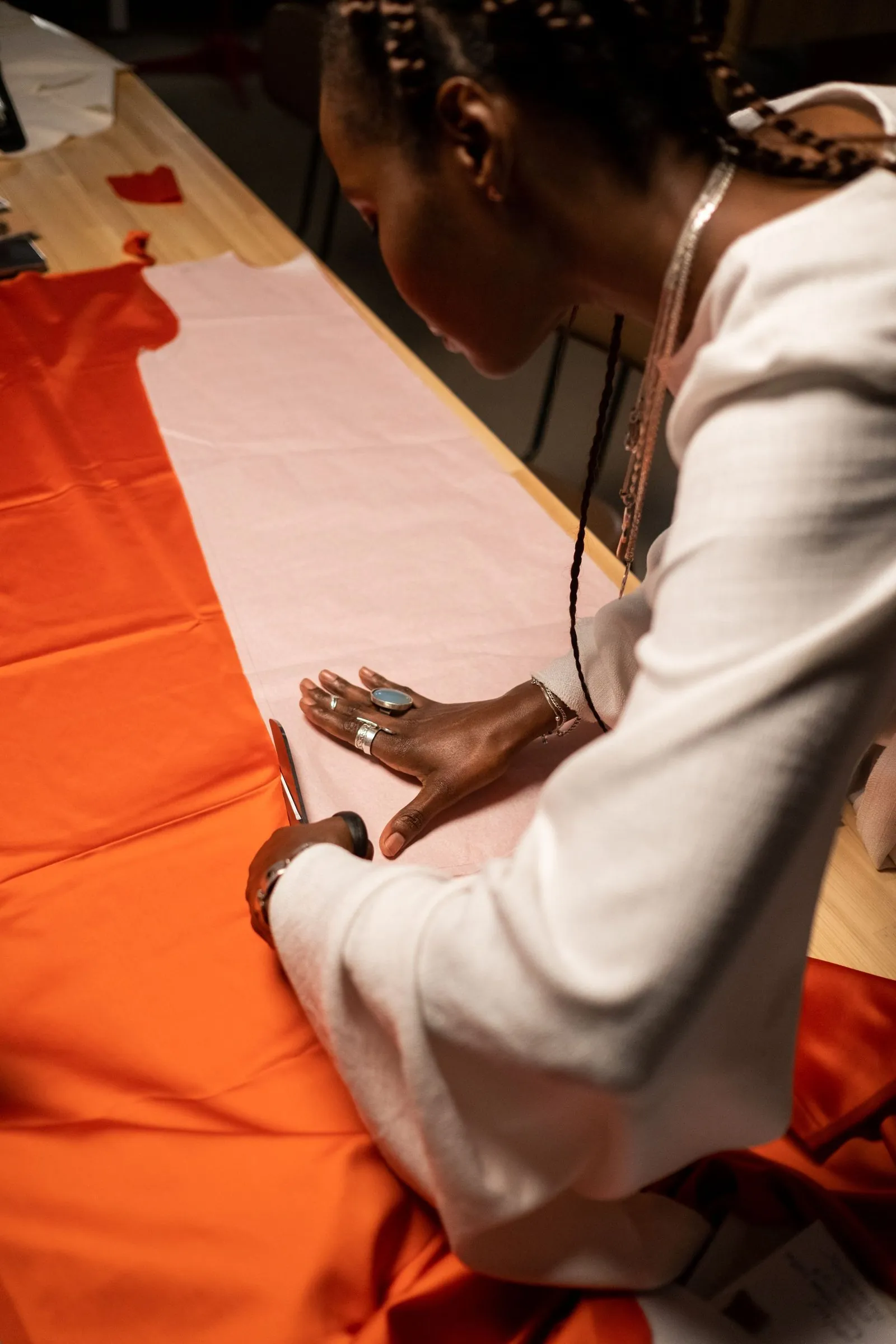
Your fit is part of your product. If you ever want to hold your own production files, the pattern is what lets you do it without starting again. At Sportswear of Tomorrow, we keep your pattern on file for your reorders, and you can buy your pattern; the terms are set out in your quote.
Settle these points at the start, together with how your artwork files are handled. It is far easier than negotiating them once a style is selling.
How do samples work before bulk production?
You check a physical sample of a new style before committing to bulk: fit, fabric, colour and logo placement.
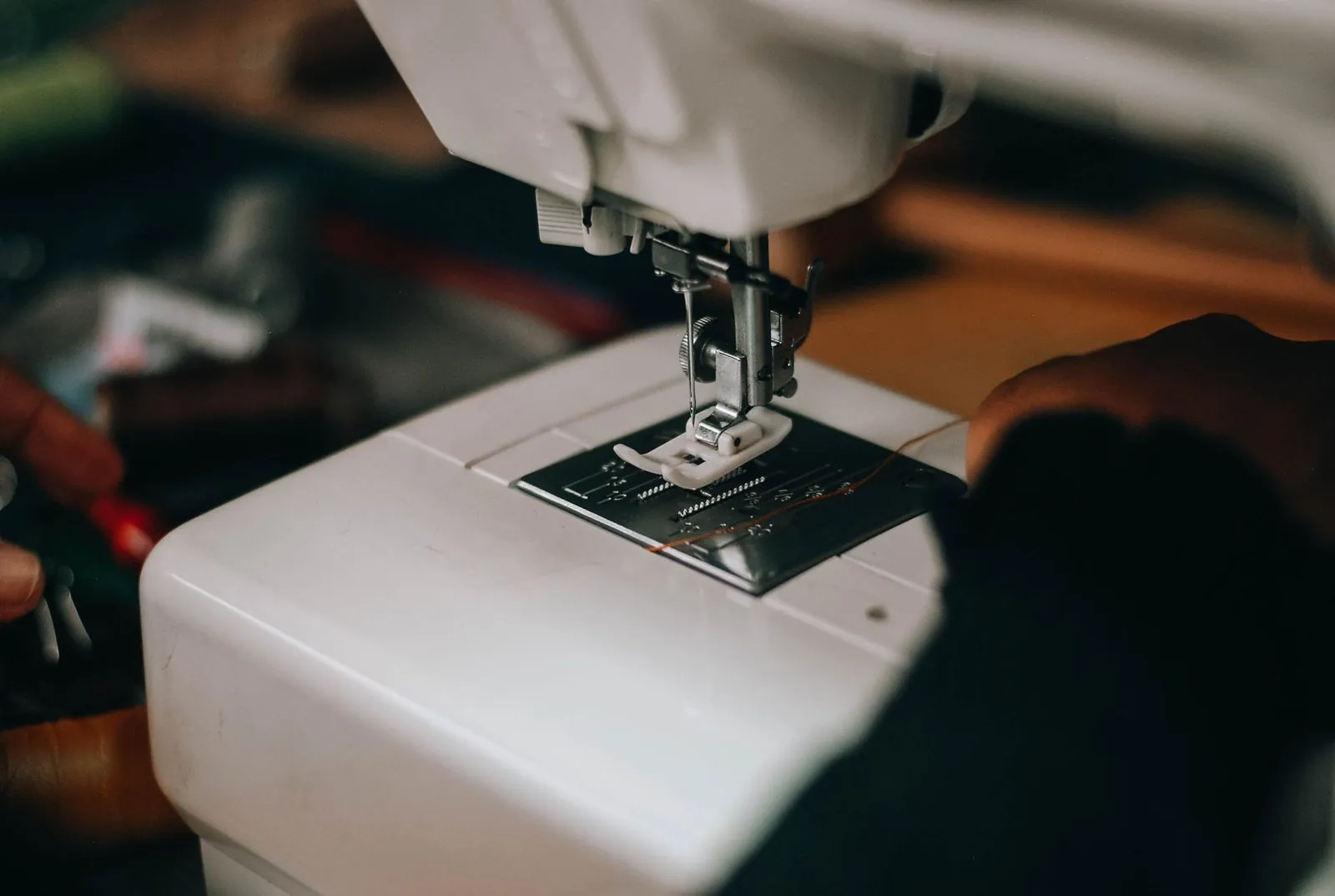
Test the sample the way your customers will use it. Run in it, in warm weather and in rain. Wash it several times. Ask runners in different sizes to try it, not only the founder, and check that the shorts stay in place at pace and that nothing rubs on a long run. Compare the colours with your Pantone references in daylight.
A sample costs far less than a bulk order in the wrong fit. At Sportswear of Tomorrow, 50% of a paid sample’s cost is credited against your bulk order of at least €2,000 ex VAT (shipping excluded).
Once you approve the sample, it becomes the reference for bulk: the pattern, the fabric and the colours you signed off.
Which fabrics work best for running apparel?
Light technical polyester or polyester/elastane fabrics that take sublimation well, chosen per garment rather than for the whole range.
A singlet and a short do different jobs. A top needs to stay light when it is wet with sweat. A short moves with every stride, and an elastane blend gives stretch and recovery where the garment works hardest. Ask your manufacturer which fabric they recommend for each style, and why.
At Sportswear of Tomorrow, running shirts, singlets and shorts are made from 100% recycled polyester or recycled polyester/elastane blends, depending on the style, and all our fabrics are GRS certified. Ask for the composition of every garment in writing. You will need it for your product pages and your compliance file.
What can you claim about recycled running apparel?
Claim only what you can document for each garment: its composition and its certification.
Since 27 September 2026, the EU rules on environmental claims to consumers (Directive (EU) 2024/825) restrict generic environmental claims that can’t be substantiated, and environmental labels that aren’t based on a certification scheme or set up by public authorities. A specific claim is safer and more convincing. For a singlet made from 100% recycled polyester, that could be: “100% recycled polyester, GRS-certified fabric.” If your shorts use a recycled polyester/elastane blend, state that blend instead. Don’t make a blanket recycled claim for the whole range when not every garment uses the same fabric, and ask your manufacturer which certification details you can keep in your compliance file.
How does sublimated design work on running apparel?
The design is dyed into the polyester fabric before cutting and sewing, so it becomes part of the fabric instead of a layer on top.
That has three practical benefits for running wear. The design doesn’t crack or peel the way a printed-on layer can after many washes. There is no heavy ink layer on a hot day. And there is no extra step per colour, so gradients, photographic graphics and a ten-colour logo print as easily as a two-colour one.
Design on the manufacturer’s production templates, one flat template per panel and size. Ask for them before your designer starts, because it saves a round of changes. Keep logos and fine text away from seams, where panels meet and the design can shift slightly. Supply logos as vector files (AI, EPS, SVG or PDF); our guide on how to prepare your artwork covers the details.
Colour needs extra care. Send Pantone references with your files, and we match them in production. Slight colour differences can occur because sublimation ink absorbs into the fabric, and screens show colour differently from fabric, so the approved physical sample is the reference. One honest limit of sublimation: a sublimated black is never quite as deep as a pre-dyed black fabric, so let your other colours carry the design if black is central to it.
How long does production take?
At Sportswear of Tomorrow, production takes 2.5–4 weeks from artwork approval on every order, bulk included, plus shipping.
For a new style, development and sampling come first. Plan backwards from your launch date:
- Launch date (a web shop drop, a season start or a retail delivery date)
- Minus shipping time
- Minus 2.5–4 weeks of production
- Minus time for the mockup, your changes and your artwork approval
- For a new style: minus development and sampling, planned per style in your quote
Confirm the delivery date with your manufacturer before you announce a launch to customers or retailers.
What minimum order should a running brand expect?
On existing cuts, Sportswear of Tomorrow produces from 1 piece; for a developed style, the minimum is confirmed in your quote.
Volume discounts apply to larger orders. Even so, a new running brand rarely needs a large first order. A practical approach:
- Launch a focused range: one or two singlet or shirt designs and a matching short.
- Use pre-orders or a small first stock to learn what sells.
- Restock the winners from the same pattern and colour files instead of guessing a whole season ahead.
If your brand also supplies running teams, the same approved patterns and colour files serve those orders too.
Checklist: 9 questions to ask a private label running apparel manufacturer
- Is every garment printed, cut and sewn in your own facility, or by partner factories?
- What exactly is each garment made of, and which certification backs the recycled content?
- Can I start on an existing cut, and what is the minimum order there?
- What does developing my own style involve, and how is the development fee handled?
- Do I get a physical sample before bulk, and is any of its cost credited against my order?
- How do you keep fit and colour consistent between reorders?
- How long does production take after artwork approval, and does that include bulk?
- Who keeps the pattern, and can I buy it?
- Do you match Pantone references, and what are the limits of sublimation?
How Sportswear of Tomorrow makes private-label running apparel
Sportswear of Tomorrow at a glance
- Custom sublimated sportswear manufacturer, founded in 2002
- Printed, cut and sewn in our own facility in Aiud, Romania; no partner factories
- Running shirts, singlets and shorts: 100% recycled polyester or recycled polyester/elastane blends, depending on the style; all fabrics GRS certified
- From 1 piece on existing cuts
- 2.5–4 weeks from artwork approval, bulk included
- 1,000+ brands and teams since 2002
We make private-label running shirts, singlets and shorts for running brands, on our existing cuts or on a style we develop with you. See our custom running apparel page and learn how to prepare your artwork.
Frequently asked questions
What is private label running apparel?
Running wear that a manufacturer produces to your specification and that you sell under your own brand. You choose the cut, the fabric and the sublimated design; the manufacturer handles the pattern, printing, cutting and sewing.
What is the minimum order for private label running apparel?
At Sportswear of Tomorrow, from 1 piece on existing cuts. For your own developed style, the minimum is confirmed in your quote. Volume discounts apply to larger orders.
Can I develop my own running apparel style?
Yes. Sportswear of Tomorrow develops a pattern from your tech pack, technical drawing or reference garment. A development fee is charged per style and partly refunded once that style’s orders reach a set level.
Who owns the pattern of my running apparel?
Agree it before development starts. At Sportswear of Tomorrow, we keep your pattern on file for your reorders, and you can buy your pattern.
What fabric does Sportswear of Tomorrow use for running apparel?
Running shirts, singlets and shorts are made from 100% recycled polyester or recycled polyester/elastane blends, depending on the style. All our fabrics are GRS certified.
How long does it take to produce private label running apparel?
At Sportswear of Tomorrow, 2.5 to 4 weeks from artwork approval on every order, bulk included, plus shipping. Development and sampling for a new style come first and are planned in your quote.