In short: A good custom cycling kit manufacturer in Europe gives you four things you can check: fabrics with a documented composition and certification, a fit that repeats because your pattern is kept on file, colours approved on a physical sample, and one factory that builds every piece. Sportswear of Tomorrow makes custom sublimated cycling kit in its own facility in Aiud, Romania, in GRS-certified recycled fabrics, from 1 piece on existing cuts and 2.5–4 weeks from artwork approval.
A cycling kit is one of the most visible things a brand or club puts out. Riders wear it for hours, sponsors pay to be on it, and it shows up in every group photo. That is why choosing the manufacturer matters more than choosing the design. This guide covers what a custom cycling kit manufacturer actually does, what separates a premium kit from an average one, how the new EU rules on green claims affect your kit, and the questions to ask before you order.
What does a custom cycling kit manufacturer do?
A custom cycling kit manufacturer turns your design into finished garments: jerseys, bib shorts, tights, jackets, vests, triathlon suits and aero suits, printed with your artwork and sewn to a set pattern.
For sublimated kit the process runs in five stages:
- Design and templates. Your artwork is placed on the manufacturer’s production templates, one per garment and size.
- Printing. The design is printed on transfer paper and heat-pressed onto the fabric. With dye-sublimation the ink turns to gas and bonds with the polyester fibre, so the design becomes part of the fabric.
- Cutting. The printed fabric is cut into panels.
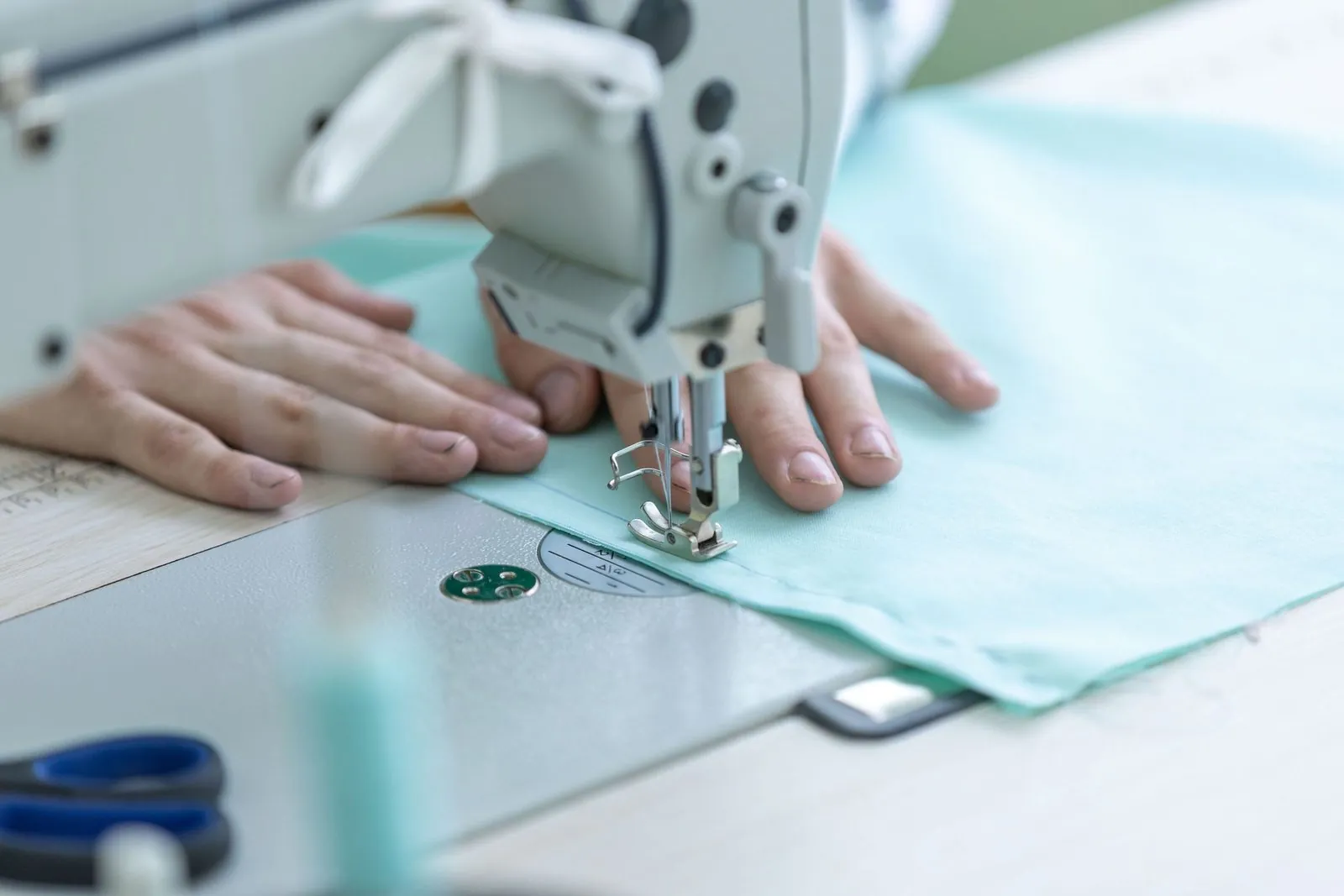
- Sewing and finishing. Panels are sewn together and finished with zips, grippers, pads and labels, depending on the garment.
- Quality check and shipping.
Some suppliers do all five stages under one roof, and some coordinate a chain of subcontractors. Ask which one you are dealing with.
Why are brands and clubs making cycling kit in Europe?
European production gives you shorter approval loops, smaller runs and restocks you don’t have to forecast a season ahead.
- Faster sample loops. A sample shipped within Europe, with feedback in the same time zone, keeps development moving.
- Smaller, more frequent runs. When the factory can make kit from a single piece on existing cuts, a club can add new riders mid-season and a brand can restock one colourway without pre-buying a full season.
- One set of rules. Buying from an EU manufacturer keeps your supply chain inside the same consumer and environmental rules your customers live under, which matters more now that the rules on green claims apply (see below).
What separates a premium cycling kit from an average one?
The difference is in four things you can check before you order: the fabric, the fit, the print and the build.
Fabric you can document
Ask for the composition of every garment, not a general statement for the whole range. A premium manufacturer can tell you what the jersey is made of, what the bib shorts are made of, and which certification backs any recycled claim. At Sportswear of Tomorrow, jerseys and shorts are made from 100% recycled polyester or recycled polyester/elastane blends, depending on the style, and all our fabrics are GRS certified. For jackets, tights and suits we confirm the fabric per style in the quote.
A fit that repeats
The fit of the second order should match the first. That only happens if the manufacturer keeps your approved pattern and grading on file and cuts every reorder from it. Ask who keeps the pattern and whether you can buy it. We keep our clients’ patterns on file for reorders, and clients can buy them.
Print and colour
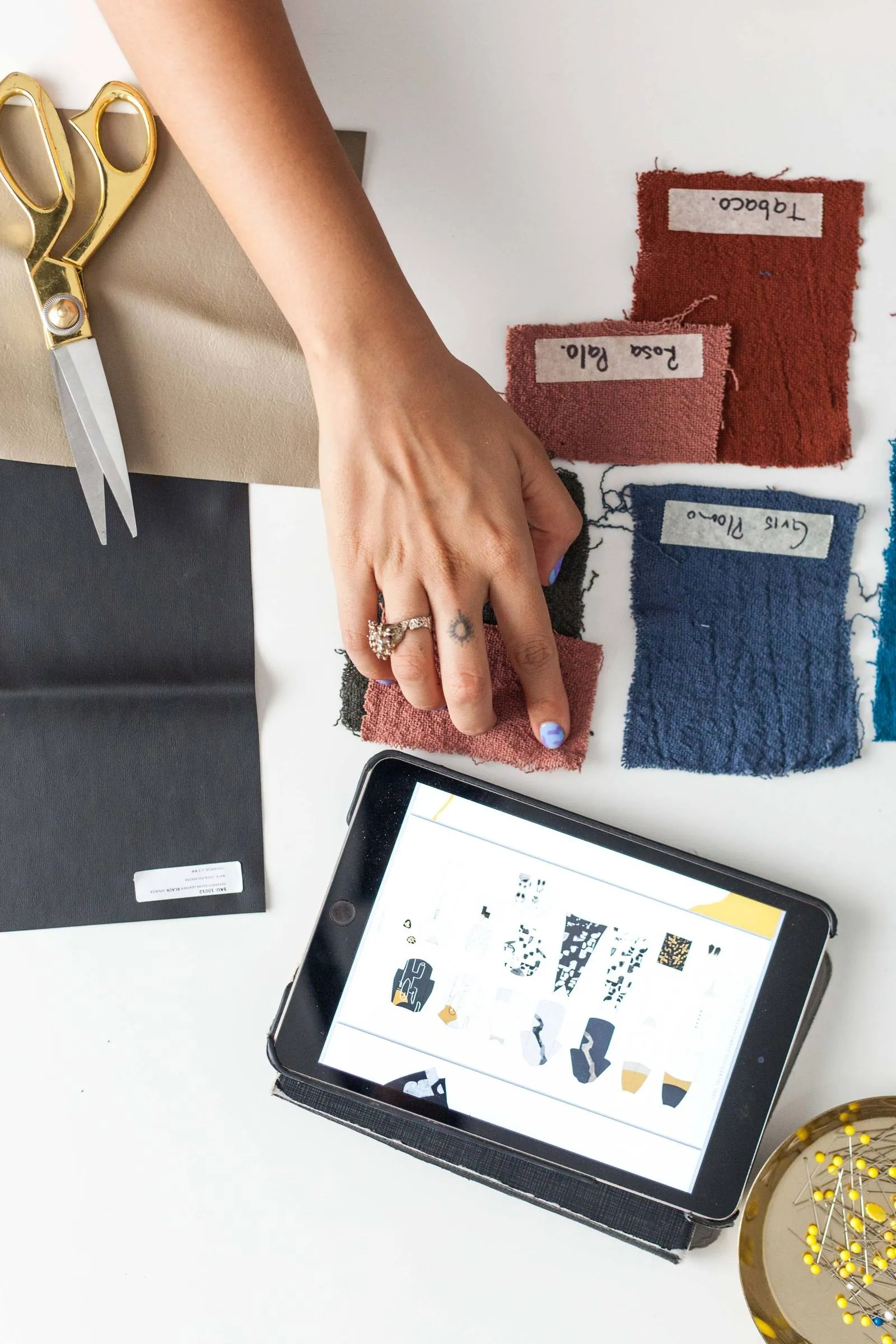
Sublimation allows full-colour, all-over designs with no ink layer, so the print doesn’t crack or peel. Colour is where kits often go wrong, because screens show colour differently from fabric. Send Pantone or colour codes, approve a physical sample for new designs, and ask how the manufacturer keeps approved colour files for reorders. One honest limit worth knowing: a sublimated black is never quite as deep as a pre-dyed black fabric.
Construction details
Ask which construction options are available per garment, and at what quantity. Some finishes, such as bonded or glued seams, need a minimum run; at Sportswear of Tomorrow that is 300 pieces. Ask as well which pad options are available for bib shorts and who supplies them.
How do GRS and the EU green-claims rules affect your kit?
From 27 September 2026, the EU rules on environmental claims to consumers (Directive (EU) 2024/825) restrict generic claims such as “eco-friendly” or “green” that can’t be substantiated, and sustainability labels that aren’t based on a certification scheme or set up by public authorities. If you sell kit to riders in the EU, your product claims have to be specific and backed by evidence.
The Global Recycled Standard (GRS) is an international standard that verifies recycled content and tracks it through the supply chain. A GRS-certified fabric gives you something concrete to say, for example “jersey fabric: 100% recycled polyester, GRS-certified”, instead of a vague claim. Ask your manufacturer three things:
- Which garments use certified recycled fabric, and what is the exact composition?
- Can they share the certification details for your compliance file?
- What exactly are you allowed to print on hangtags and product pages?
Avoid a blanket recycled claim for a whole kit when only some components are recycled.
What minimum order should you expect?
It depends on whether you order an existing cut or develop your own style.
- Existing cuts: a manufacturer that prints to order can start from 1 piece. That suits clubs, events and test runs.
- Your own style: product development (pattern, sample, grading) is usually a paid service per style, and the minimum depends on the fabric and colour. At Sportswear of Tomorrow, development is paid per style and part of the fee is refunded once the style reaches volume; the minimum for a developed style is confirmed in the quote.
- Special constructions: some finishes have their own minimum, such as bonded seams from 300 pieces.
How long does custom cycling kit take?
At Sportswear of Tomorrow, production takes 2.5–4 weeks from artwork approval on every order, bulk included, plus shipping. For a new style, development and sampling come first and are planned per style in the quote.
Plan backwards from the date you need the kit:
- Delivery date (season start, team presentation or event)
- Minus shipping time
- Minus 2.5–4 weeks of production
- Minus time for the mockup, your changes and your approval
- For a new style: minus development and sampling
Delivery times vary week to week, so confirm the date with your manufacturer before you promise it to riders or sponsors.
Who owns the pattern and the design?
Settle this before development starts. Ask who keeps the pattern, whether you can buy it, whether the manufacturer will sign an NDA, and whether they reuse client patterns for others. Our terms: we keep the pattern on file for your reorders, you can buy it, we don’t resell or reuse client-specific patterns, and we review and sign a short English NDA.
Checklist: 10 questions to ask a cycling kit manufacturer
- Where exactly is the kit printed, cut and sewn: your own facility or subcontractors?
- What is each garment made of, and which certification backs the recycled content?
- What is the minimum order on existing cuts, and for a developed style?
- How long does production take after artwork approval, and does that include bulk?
- Do I get a physical sample before bulk?
- Who keeps the pattern, and can I buy it?
- How do you keep colours consistent between orders?
- Which construction options (seams, pads, grippers) are available, and at what quantity?
- Will you sign an NDA?
- Does any of your branding appear on the garments?
How Sportswear of Tomorrow makes cycling kit
Sportswear of Tomorrow at a glance
- Custom sublimated sportswear manufacturer, founded in 2002
- All production in our own facility in Aiud, Romania; no partner factories
- Jerseys and shorts: 100% recycled polyester or recycled polyester/elastane blends; all fabrics GRS certified
- From 1 piece on existing cuts; bonded or glued seams from 300 pieces
- 2.5–4 weeks from artwork approval, bulk included
- 1,000+ brands and teams since 2002
We make road jerseys, bib shorts, tights, jackets and vests, triathlon suits and aero suits for cycling brands, clubs and event organisers. See our custom cycling kit page, read about private-label production and product development, or request a sample.
Based in the Netherlands or Belgium? Read about our cycling kit in Dutch: wielerkleding met je eigen design.
Frequently asked questions
What should I look for in a custom cycling kit manufacturer?
Four things you can check: the composition and certification of each fabric, a pattern kept on file so the fit repeats, colours approved on a physical sample, and whether printing, cutting and sewing happen in the manufacturer’s own facility.
What is the minimum order for custom cycling kit?
At Sportswear of Tomorrow, from 1 piece on existing cuts. For a custom-developed style, the minimum depends on the fabric and colour and is confirmed in the quote; bonded or glued seams start at 300 pieces.
How long does custom cycling kit take to produce?
At Sportswear of Tomorrow, 2.5 to 4 weeks from artwork approval on every order, bulk included, plus shipping. Development and sampling for a new style come first.
Can I call my cycling kit recycled?
You can state the specific composition of each garment, backed by a certification such as the Global Recycled Standard (GRS). Since 27 September 2026, EU rules restrict generic environmental claims that can’t be substantiated.
Who owns the pattern of my custom cycling jersey?
It depends on the manufacturer, so agree it before development. At Sportswear of Tomorrow, we keep the pattern on file for your reorders and you can buy it.